-
The Scope and Importance of AI-Powered Regulatory Monitoring Platforms
Introduction
In today’s complex and ever-evolving regulatory environment, organizations face significant challenges in maintaining compliance with a myriad of laws and regulations. AI-powered regulatory monitoring platforms are transforming how businesses manage compliance by offering advanced solutions that streamline regulatory tracking, enhance risk management, and ensure adherence to legal requirements. This article delves into the scope and importance of AI-powered regulatory monitoring platforms, highlighting their functionalities, benefits, implementation strategies, and future trends.

What is an AI-Powered Regulatory Monitoring Platform?
Definition and Overview
An AI-powered regulatory monitoring platform leverages artificial intelligence (AI) and machine learning (ML) to automate and enhance the process of monitoring, analyzing, and managing regulatory compliance. These platforms are designed to track regulatory changes, assess compliance, and provide actionable insights to mitigate risks associated with non-compliance.
Core Features
- Regulation Tracking: Automatically monitors and updates changes in regulations relevant to an organization.
- Compliance Assessment: Evaluates organizational practices against current regulatory standards.
- Risk Management: Identifies potential compliance risks and suggests mitigation strategies.
- Reporting and Documentation: Generates comprehensive reports and maintains documentation for audits and regulatory reviews.
The Scope of AI-Powered Regulatory Monitoring Platforms
Real-Time Regulation Tracking
Continuous Monitoring
AI platforms continuously track regulatory changes across various jurisdictions and industries. This real-time monitoring ensures that organizations are always up-to-date with the latest legal requirements and can quickly adapt their practices.
Automated Alerts
Receive automated notifications about new or updated regulations that impact your business. This feature allows organizations to make timely adjustments to their compliance strategies and avoid potential penalties.
Advanced Compliance Assessment
Automated Compliance Checks
AI-powered platforms automate the process of assessing organizational practices against regulatory requirements. This includes reviewing policies, procedures, and operational practices to ensure they meet legal standards.
Gap Analysis
Conduct thorough gap analyses to identify discrepancies between current practices and regulatory requirements. AI tools provide actionable insights to address these gaps and enhance overall compliance.
Enhanced Risk Management
Predictive Analytics
AI platforms use predictive analytics to forecast potential compliance risks based on historical data and regulatory trends. This proactive approach helps organizations address issues before they escalate.
Risk Mitigation Strategies
Develop targeted risk mitigation strategies based on AI-generated insights. These strategies help organizations minimize the impact of compliance risks and ensure adherence to regulatory standards.
Streamlined Reporting and Documentation
Automated Report Generation
Generate detailed compliance reports automatically, reducing the time and effort required for manual documentation. These reports can be customized to meet the needs of various stakeholders, including auditors and regulatory agencies.
Comprehensive Documentation
Maintain organized and up-to-date documentation of compliance activities, making it easier to demonstrate adherence to regulatory requirements during audits.
The Importance of AI-Powered Regulatory Monitoring Platforms
Enhancing Compliance
Reducing Human Error
AI-powered platforms reduce the risk of human error in compliance management by automating routine tasks and providing accurate data-driven insights. This improves the reliability of compliance assessments and reduces the likelihood of regulatory breaches.
Ensuring Timely Updates
With real-time tracking and automated alerts, organizations can promptly address regulatory changes and update their compliance practices accordingly. This ensures continuous adherence to legal requirements and helps avoid penalties.
Improving Efficiency
Streamlining Processes
AI platforms automate time-consuming compliance tasks, such as regulation tracking and document review. This streamlining of processes increases overall efficiency and allows compliance teams to focus on strategic initiatives.
Optimizing Resource Allocation
By automating routine compliance management tasks, organizations can allocate resources more effectively. This optimization allows teams to concentrate on high-value activities and strategic planning.
Reducing Risk
Proactive Risk Management
AI-powered platforms use predictive analytics to identify and address potential compliance risks before they become critical issues. This proactive approach helps organizations mitigate risks and maintain regulatory adherence.
Comprehensive Risk Assessment
Evaluate the impact of regulatory changes on various aspects of the business, including operations, financial reporting, and legal obligations. AI tools provide comprehensive risk assessments and develop strategies to manage and mitigate these risks.
Enhancing Accuracy
Data-Driven Insights
AI platforms analyze large volumes of data to provide accurate and actionable insights into regulatory requirements and compliance status. This data-driven approach minimizes the risk of errors and ensures reliable compliance assessments.
Consistent Monitoring
AI-powered tools maintain consistent oversight of regulatory requirements, avoiding the variability and gaps associated with manual processes. This consistency ensures thorough and repeatable compliance checks.
Simplifying Reporting
Automated Documentation
Automate the generation of compliance reports and maintain up-to-date records for audits and regulatory reviews. This simplifies the reporting process and reduces the administrative burden on compliance teams.
Audit Readiness
Organize and manage compliance documentation effectively, ensuring that your organization is prepared for audits and regulatory inspections. AI tools provide comprehensive records and reports, facilitating smooth audit processes.
Implementing an AI-Powered Regulatory Monitoring Platform
Step 1: Assess Compliance Needs
Identify Regulatory Requirements
Determine the specific regulations and compliance requirements relevant to your industry and organization. This includes local, national, and international regulations.
Evaluate Current Processes
Assess your current compliance management processes to identify areas for improvement and determine how an AI-powered platform can address these needs.
Step 2: Select the Right Platform
Evaluate Features
Compare AI-powered regulatory monitoring platforms based on features such as real-time tracking, predictive analytics, and integration capabilities. Choose a platform that aligns with your industry-specific needs and organizational requirements.
Vendor Selection
Select a reputable vendor with expertise in AI and regulatory compliance. Consider factors such as customer reviews, case studies, and support services.
Step 3: Implement the Platform
Integration with Existing Systems
Integrate the AI platform with your existing enterprise systems, such as ERP and document management systems. This ensures seamless data flow and process integration.
Customization
Customize the platform to meet your specific regulatory requirements and organizational needs. Configure settings, alerts, and reporting options according to your preferences.
Step 4: Train and Support
User Training
Provide training for compliance teams and other users to ensure effective use of the AI-powered platform. Training should cover features, reporting, and troubleshooting.
Ongoing Support
Establish a support system for addressing issues and questions that arise during implementation and use. This includes vendor support and internal resources.
Step 5: Monitor and Optimize
Performance Monitoring
Regularly monitor the performance of the AI-powered platform to ensure it meets your compliance needs and provides accurate insights.
Continuous Improvement
Gather feedback from users and make necessary adjustments to the platform. Update configurations and refine algorithms to enhance effectiveness.
Challenges and Considerations
Data Privacy and Security
Protecting Sensitive Information
Ensure that the AI platform adheres to data privacy and security standards. Implement measures to protect sensitive regulatory and organizational data.
Compliance with Data Regulations
Verify that the platform complies with data protection regulations, such as GDPR and CCPA, to avoid legal and reputational risks.
Integration and Compatibility
System Compatibility
Ensure seamless integration with existing systems and address any compatibility issues during implementation.
Data Quality
Maintain high-quality data to ensure the accuracy and reliability of the AI-powered platform. Regularly review and update data sources.
Change Management
Adapting to New Processes
Implementing an AI-powered platform may require changes to existing compliance processes. Develop a change management strategy to facilitate a smooth transition.
User Adoption
Encourage user adoption by demonstrating the benefits of the platform and providing ongoing support and training.
Future Trends in AI-Powered Regulatory Monitoring
Advanced AI Capabilities
Enhanced Predictive Analytics
Future advancements in AI will lead to more sophisticated predictive analytics, providing even more accurate insights into compliance risks and trends.
Greater Automation
Increased automation capabilities will further streamline compliance management, reducing manual intervention and enhancing efficiency.
Evolution of Regulatory Technology (RegTech)
Integration with Blockchain
Blockchain technology may be integrated with regulatory monitoring platforms to enhance data security, transparency, and auditability.
Real-Time Compliance Tracking
Future platforms may offer real-time compliance tracking and reporting, providing instant insights into regulatory changes and compliance status.
Greater Customization and Flexibility
Tailored Solutions
AI-powered regulatory monitoring platforms will offer greater customization options to meet industry-specific and organizational needs.
Scalable Solutions
Future platforms will be designed to scale with organizational growth and changing regulatory landscapes, providing flexible and adaptable compliance solutions.
Conclusion
AI-powered regulatory monitoring platforms are revolutionizing compliance management by automating routine tasks, enhancing accuracy, and providing real-time insights. From financial services and healthcare to manufacturing and retail, these platforms offer significant benefits, including reduced risks, increased efficiency, and improved accuracy. Understanding the scope and importance of AI-powered regulatory monitoring platforms and implementing best practices will enable organizations to navigate complex regulatory environments more effectively and achieve robust compliance management.
Embracing AI-powered regulatory monitoring is not just about adopting new technology; it’s a strategic move towards more efficient, accurate, and proactive compliance management. By leveraging these advanced solutions, organizations can stay ahead of regulatory changes, minimize risks, and drive operational excellence.
-
Applications of AI Research Platform for Due Diligence: Transforming Business Strategies and Risk Management
In today’s interconnected global economy, AI research platforms are revolutionizing due diligence practices across industries, enabling organizations to enhance efficiency, mitigate risks, and make informed decisions. This article explores the diverse applications of AI research platforms for due diligence, highlighting their impact on business strategies, regulatory compliance, and operational excellence.
Introduction to AI Research Platform for Due Diligence
Defining AI Research Platform in Due Diligence
An AI research platform for due diligence integrates advanced technologies, including machine learning algorithms, natural language processing (NLP), and predictive analytics, to automate data analysis, uncover insights, and optimize decision-making processes in business transactions, mergers, acquisitions, and investment evaluations. By leveraging big data capabilities and computational tools, these platforms enhance due diligence efficiency, accuracy, and strategic alignment with organizational objectives.
Evolution of AI in Due Diligence Practices
AI research platforms for due diligence augment traditional due diligence practices by enhancing data-driven insights, automating compliance checks, and facilitating real-time information processing in complex business environments. By integrating AI-driven analytics, cognitive automation, and predictive modeling techniques, organizations streamline due diligence workflows, mitigate operational risks, and achieve regulatory compliance in global markets.
Key Applications of AI Research Platform for Due Diligence
Automated Data Collection and Integration
AI research platforms automate data collection processes from diverse sources, including financial databases, regulatory filings, market reports, and social media platforms, to aggregate comprehensive datasets for due diligence analysis. By leveraging API integrations, data connectors, and web scraping technologies, these platforms ensure data accuracy, enhance data completeness, and support cross-functional collaboration in due diligence investigations.
Natural Language Processing (NLP) for Document Analysis
AI research platforms employ NLP technologies to analyze and interpret textual data, automate document review processes, and extract critical information from legal contracts, financial statements, and regulatory filings. By enhancing document understanding, summarizing key findings, and identifying contractual risks, NLP capabilities optimize due diligence efficiency, accelerate document review timelines, and ensure compliance with legal and regulatory requirements.
Predictive Analytics and Risk Assessment
AI research platforms integrate predictive analytics frameworks, including risk scoring models, scenario analysis tools, and anomaly detection algorithms, to assess potential risks, forecast market trends, and optimize risk management strategies in due diligence evaluations. By leveraging historical data patterns, simulating risk scenarios, and generating predictive insights, these platforms empower stakeholders to make data-driven decisions, mitigate financial risks, and capitalize on strategic opportunities in business transactions.
Industry-specific Applications of AI Research Platform for Due Diligence
Financial Services and Investment Management
In the financial services sector, AI research platforms enhance due diligence for asset management, investment valuation, and portfolio optimization by analyzing market trends, evaluating asset performance, and assessing investment risks. By integrating AI-driven predictive modeling, sentiment analysis, and market forecasting tools, financial institutions optimize investment decision-making, mitigate portfolio risks, and capitalize on market opportunities to achieve sustainable growth and competitive advantage.
Healthcare and Life Sciences Industries
AI research platforms transform due diligence in healthcare and life sciences industries by analyzing clinical trial data, evaluating regulatory compliance, and assessing market potential for pharmaceutical developments and medical innovations. By leveraging AI-powered predictive analytics, patient data insights, and regulatory intelligence tools, healthcare organizations accelerate drug discovery timelines, mitigate regulatory risks, and enhance patient outcomes through evidence-based decision-making and personalized medicine initiatives.
Technology and Telecommunications Sector
In the technology and telecommunications sector, AI research platforms facilitate due diligence for mergers, acquisitions, and strategic partnerships by analyzing intellectual property rights, evaluating technology patents, and assessing market competitiveness. By applying AI-driven competitive analysis, technology assessment frameworks, and market trend forecasting tools, organizations enhance strategic alignment, mitigate integration risks, and foster innovation-driven growth strategies in a competitive global marketplace.
Future Trends and Innovations in AI Research Platform for Due Diligence
Advancements in AI Technologies and Automation
Future AI research platforms will advance with innovations in AI technologies, such as explainable AI models, federated learning frameworks, and quantum computing capabilities, to enhance scalability, interoperability, and regulatory compliance in due diligence practices. These advancements enable organizations to leverage AI-driven insights, automate complex workflows, and adapt to evolving regulatory requirements and market dynamics in global business operations.
Ethical AI and Responsible Innovation
Embracing ethical AI principles and responsible innovation practices, organizations prioritize transparency in AI algorithms, mitigate bias risks, and uphold data privacy protections in AI research platform development for due diligence. By promoting ethical decision-making, regulatory compliance, and stakeholder trust, businesses ensure sustainable AI adoption, mitigate reputational risks, and foster long-term partnerships in due diligence evaluations and strategic decision-making processes.
Conclusion
The applications of AI research platforms for due diligence redefine industry standards, enhance organizational capabilities, and empower stakeholders to navigate complex business environments with confidence and foresight. By harnessing AI-driven insights, leveraging predictive analytics, and prioritizing strategic decision-making, organizations achieve operational excellence, mitigate financial risks, and capitalize on emerging opportunities in global markets.
In conclusion, the applications of AI research platforms for due diligence encompass a wide array of functionalities that optimize decision-making processes, enhance risk management strategies, and drive innovation in business transactions and investment evaluations. As organizations embrace AI-driven technologies and capitalize on emerging trends, they position themselves to achieve competitive advantage, ensure regulatory compliance, and foster sustainable growth in an increasingly interconnected global economy.
-
Revolutionizing Telecom: The Role and Benefits of Enterprise Generative AI Platforms
In the rapidly evolving telecommunications industry, staying competitive and efficient requires embracing cutting-edge technologies. Enterprise generative AI platforms are at the forefront of this transformation, offering unprecedented capabilities in network optimization, customer service, and operational efficiency. This article explores the crucial role and numerous benefits of generative AI platforms in telecommunications, highlighting how these advanced solutions are revolutionizing the industry.

Understanding Generative AI Platform for Telecommunications
What is Generative AI?
Generative AI is a branch of artificial intelligence that focuses on creating new data, content, or solutions by learning from existing datasets. Technologies such as Generative Adversarial Networks (GANs) and transformer models can generate realistic text, images, and predictive models. In telecommunications, generative AI platform for telecommunications can be used to enhance network performance, improve customer interactions, and streamline operations.
Key Features of Generative AI
- Data Synthesis: Ability to generate new data that is representative of the training dataset.
- Predictive Analytics: Capability to forecast network issues, customer behavior, and other critical metrics.
- Automation: Automates routine tasks, reducing the need for manual intervention.
- Personalization: Creates tailored experiences for customers based on their preferences and behavior.
The Role of Generative AI Platform for Telecommunications
Network Optimization
Predictive Maintenance
Generative AI plays a crucial role in predictive maintenance by analyzing historical data to predict when and where network failures might occur. This allows telecom companies to perform proactive maintenance, reducing downtime and improving service reliability.
Traffic Management
AI-driven traffic management systems use generative models to predict network congestion and optimize traffic flow. By dynamically adjusting bandwidth allocation and rerouting data, these systems ensure efficient network performance even during peak usage times.
Customer Experience Enhancement
AI-Powered Customer Support
Generative AI platform for telecommunications enables the creation of sophisticated chatbots and virtual assistants that provide 24/7 customer support. These AI systems can handle a wide range of inquiries, resolve issues quickly, and continuously improve their performance by learning from each interaction.
Personalized Services
By analyzing customer data, generative AI platform for telecommunications can deliver highly personalized services. This includes customized recommendations, targeted promotions, and proactive support, all of which enhance customer satisfaction and loyalty.
Operational Efficiency
Automation of Routine Tasks
Generative AI can automate various routine tasks such as billing, customer onboarding, and network monitoring. Automation not only reduces operational costs but also minimizes human errors and speeds up processes.
Resource Allocation
AI models can optimize resource allocation by predicting future demands and usage patterns. This ensures efficient use of resources, whether it’s bandwidth, manpower, or equipment, ultimately leading to cost savings and better service delivery.
Security and Fraud Detection
Real-Time Fraud Detection
Generative AI enhances fraud detection by analyzing transaction patterns and identifying anomalies in real-time. AI systems can generate alerts for suspicious activities, allowing telecom companies to take immediate action and prevent fraud.
Adaptive Security Measures
Generative AI models continuously learn from new data and emerging threats, creating adaptive security protocols. This ensures robust protection against evolving cyber threats and vulnerabilities.
Benefits of Generative AI for Telecommunications
Enhanced Network Performance
Generative AI optimizes network performance through predictive maintenance and dynamic traffic management. This leads to fewer network disruptions, improved reliability, and better overall service quality for customers.
Improved Customer Experience
AI-powered customer support and personalized services significantly enhance the customer experience. Quick resolutions, 24/7 availability, and tailored interactions lead to higher customer satisfaction and retention rates.
Cost Reduction
Automation of routine tasks and optimized resource allocation result in significant cost savings. By reducing the need for manual intervention and improving efficiency, telecom companies can lower their operational expenses.
Innovation and New Revenue Streams
Generative AI enables the development of innovative services and applications, such as augmented reality (AR), virtual reality (VR), and smart home solutions. These new offerings not only attract customers but also open additional revenue streams.
Competitive Advantage
By leveraging generative AI, telecom companies can differentiate themselves from competitors. AI-driven innovations and enhanced services provide a competitive edge in a crowded market, helping companies to attract and retain customers.
Strategic Decision Making
Generative AI provides deep insights into network performance, customer behavior, and operational efficiency. These insights inform strategic decision-making, enabling telecom companies to anticipate market changes, optimize operations, and drive business growth.
Implementing Generative AI Platforms in Telecommunications
Assessing Organizational Readiness
Infrastructure Evaluation
Before implementing a generative AI platform, telecom companies need to assess their current infrastructure. This includes evaluating data storage, processing capabilities, and network architecture to ensure they can support AI-driven solutions.
Defining Clear Objectives
It’s crucial to define clear objectives for the AI implementation. Whether it’s improving customer service, enhancing network performance, or reducing costs, having specific goals will guide the implementation process.
Choosing the Right AI Platform
Identifying Needs and Requirements
Different AI platforms offer various features and capabilities. Telecom companies should identify their specific needs and requirements to choose a platform that best suits their objectives.
Evaluating AI Vendors
Evaluating different AI vendors based on factors such as reliability, scalability, security, and support services is essential. Reading reviews, conducting trials, and seeking recommendations can help in making an informed decision.
Data Collection and Preparation
Gathering Relevant Data
For generative AI to function effectively, it needs access to vast amounts of data. Telecom companies should gather relevant data from various sources, including network performance logs, customer interactions, and operational records.
Ensuring Data Quality
The quality of data is crucial for the accuracy and reliability of AI models. Companies should ensure that their data is clean, complete, and free from biases. This may involve data cleansing, normalization, and validation processes.
Integration and Deployment
Integration with Existing Systems
Integrating the AI platform with existing systems and workflows is a critical step. This involves setting up APIs, ensuring compatibility with current software, and creating seamless data pipelines.
Training AI Models
Training AI models on the collected data is essential for accurate predictions and insights. This process involves feeding the data into the AI platform, adjusting parameters, and iteratively refining the models.
Testing and Validation
Before deploying the AI platform, it’s important to conduct thorough testing to ensure its accuracy and reliability. This includes testing the models on historical data, simulating real-world scenarios, and identifying any potential issues.
Continuous Monitoring and Improvement
Performance Monitoring
Continuously monitoring the AI platform’s performance is essential to ensure it meets the defined objectives. Regularly updating the models with new data and refining them based on feedback will help maintain accuracy and efficiency.
Adaptation and Scalability
As the telecommunications industry evolves, the AI platform should adapt to new challenges and opportunities. Scalability is crucial to accommodate growing data volumes and expanding network complexities.
Challenges and Considerations
Ensuring Data Privacy and Security
Adhering to Regulations
Telecom companies must comply with data privacy regulations such as GDPR and CCPA. Implementing robust security measures to protect customer data and maintaining their trust is essential.
Implementing Security Protocols
Deploy advanced security protocols to safeguard AI systems from cyber threats. This includes encryption, access controls, and regular security audits.
Managing Change and Training Staff
Effective Change Management
Integrating AI platforms requires significant changes in workflows and processes. Developing a comprehensive change management strategy helps the organization adapt smoothly.
Training and Development
Investing in training and development programs equips staff with the necessary skills to use and manage the AI platform effectively. This includes both technical training for IT staff and operational training for end-users.
Addressing Ethical Considerations
Establishing Ethical Guidelines
Develop clear ethical guidelines for the use of AI in the organization. This includes ensuring fairness, transparency, and accountability in AI-driven decisions and processes.
Ensuring Responsible AI Use
Ensure AI practices align with ethical standards and best practices. Regularly review and update ethical guidelines to address new challenges and developments.
Conclusion
The role and benefits of enterprise generative AI platforms in telecommunications are immense. These advanced solutions are revolutionizing the industry by enhancing network performance, improving customer experience, driving operational efficiency, and fostering innovation. By understanding the benefits and addressing the challenges, telecom companies can unlock the full potential of generative AI and lead the industry into a new era of excellence and growth. Embracing this technology is not just an option but a necessity for staying competitive and meeting the ever-growing demands of the modern world.
-
Unlocking the Power of Enterprise Generative AI Solutions for Media: Transformative Applications
The media industry is undergoing a seismic shift, driven by the integration of advanced technologies such as enterprise generative AI solutions. These powerful tools are reshaping how content is created, distributed, and consumed, leading to unprecedented efficiencies and innovative applications. In this article, we will delve into the various applications of enterprise gen AI solution for media, exploring their transformative impact and the future they promise.

Introduction to Enterprise Gen AI Solution for Media
What is Generative AI?
Generative AI refers to artificial intelligence systems capable of creating new content based on patterns and data they have been trained on. Unlike traditional AI, which typically focuses on analyzing existing data, gen AI solution for media creates new data, such as text, images, audio, and video, pushing the boundaries of creativity and automation.
Enterprise Generative AI Solutions
Enterprise generative AI solutions are specifically designed to meet the needs of large organizations. These solutions integrate advanced AI capabilities into existing workflows, enabling companies to leverage AI for various applications across different sectors, including media.
Transformative Applications in Media
Automated Content Creation
AI-Driven Journalism
Gen AI solution for media can significantly enhance the field of journalism by automating the creation of news articles, reports, and summaries. These AI systems can quickly process vast amounts of data, identify key trends, and generate accurate and coherent news content. This not only reduces the time and cost associated with traditional journalism but also ensures the timely delivery of news to audiences.
Script and Story Generation
In the entertainment industry, AI-driven platforms can assist writers in generating scripts, storylines, and dialogues. This accelerates the creative process, allowing writers to explore diverse narratives and genres. By providing suggestions and generating initial drafts, AI tools enable creators to focus on refining and enhancing their stories.
Visual and Audio Content Creation
Generative AI can produce high-quality visual and audio content, from realistic images and videos to music and sound effects. This capability is particularly valuable in advertising, film production, and gaming, where the demand for immersive and engaging content is continually growing. AI-generated visuals and audio can be customized to meet specific needs, enhancing creativity and production efficiency.
Personalization and Audience Engagement
Customized Content Recommendations
AI platforms analyze user behavior and preferences to deliver personalized content recommendations. This enhances user experience by ensuring that audiences receive relevant and engaging content tailored to their interests. Personalized recommendations increase user satisfaction and loyalty, driving higher engagement and retention rates.
Interactive and Immersive Experiences
Generative AI solutions are paving the way for interactive and immersive experiences in the media industry. Virtual reality (VR), augmented reality (AR), and AI-driven virtual assistants create engaging and personalized user interactions. These technologies offer new ways for audiences to engage with content, from virtual tours and interactive storytelling to augmented advertising and entertainment.
Operational Efficiency and Cost Reduction
Streamlined Production Processes
Generative AI platforms automate various aspects of media production, from content creation to editing and distribution. This streamlining of processes reduces operational costs and increases efficiency, allowing media companies to focus on strategic initiatives and creative endeavors. By automating repetitive tasks, AI solutions free up resources and improve overall productivity.
Data-Driven Decision Making
AI platforms provide valuable insights into audience behavior, content performance, and market trends. These data-driven insights enable media companies to make informed decisions, optimize their strategies, and stay ahead of the competition. By leveraging AI-generated analytics, media organizations can better understand their audiences and tailor their content to meet evolving demands.
Case Studies: Real-World Applications
Automated News Generation at The Washington Post
The Washington Post has implemented an AI-powered system called Heliograf, which automatically generates news stories for various topics, including sports, finance, and elections. Heliograf has enabled the newspaper to cover more events in real-time, providing readers with timely and accurate news updates. This AI-driven approach has enhanced the newsroom’s efficiency and expanded its coverage capabilities.
Scriptwriting Assistance in Hollywood
Hollywood studios are increasingly using AI tools to assist in scriptwriting and story development. Companies like ScriptBook use AI algorithms to analyze scripts, predict box office performance, and provide suggestions for improvements. This integration of AI in the creative process allows studios to make data-driven decisions and enhance the quality of their productions.
Personalized Content on Netflix
Netflix leverages generative AI to deliver personalized content recommendations to its subscribers. The platform uses AI algorithms to analyze viewing habits, preferences, and ratings to suggest movies and TV shows tailored to individual users. This personalized approach has significantly contributed to Netflix’s success, increasing user engagement and satisfaction.
AI-Generated Music and Soundtracks
AI-driven platforms like Amper Music and AIVA are revolutionizing the music industry by generating original music and soundtracks. These AI systems enable musicians, filmmakers, and game developers to create custom compositions quickly and affordably. By leveraging AI-generated music, creators can enhance their projects with unique and high-quality soundtracks.
Future Trends and Innovations
Advanced Deep Learning Models
Improved Content Quality
As deep learning models continue to advance, the quality of AI-generated content will improve significantly. This includes more realistic images and videos, natural-sounding audio, and coherent and engaging written content. Enhanced deep learning models will enable AI systems to produce content that is indistinguishable from human-created content, pushing the boundaries of creativity and realism.
Real-Time Content Generation
Future generative AI platforms will be capable of generating content in real-time, allowing for live, interactive experiences. This will be particularly valuable in live broadcasts, gaming, and social media, where real-time interactions and updates are essential. Real-time content generation will enable media companies to deliver dynamic and engaging experiences to their audiences.
Ethical and Responsible AI
Bias Mitigation
One of the key challenges facing generative AI is the potential for bias in AI-generated content. Future platforms will incorporate advanced algorithms and techniques to detect and mitigate bias, ensuring that content is fair and representative. By addressing bias issues, media organizations can promote diversity and inclusivity in their content.
Transparency and Accountability
As AI-generated content becomes more prevalent, there will be a growing need for transparency and accountability in AI systems. Future platforms will include features that provide clear explanations of how AI-generated content is created and the data used, fostering trust among users and stakeholders. Transparent AI practices will be essential for building and maintaining public trust in AI-generated content.
Integration with Emerging Technologies
Virtual and Augmented Reality
The integration of generative AI with VR and AR technologies will create new possibilities for immersive media experiences. From virtual tours and interactive storytelling to augmented advertising, these technologies will transform how audiences engage with content. The combination of AI, VR, and AR will offer unprecedented opportunities for creating immersive and interactive experiences.
Blockchain for Content Security
Blockchain technology can enhance the security and integrity of AI-generated content. By providing a decentralized and tamper-proof ledger, blockchain can ensure the authenticity and provenance of digital media, protecting intellectual property rights and combating piracy. The integration of blockchain with generative AI will offer robust solutions for content security and ownership verification.
Conclusion
The applications of enterprise generative AI solutions for media are vast and transformative. From automated content creation and personalized audience engagement to operational efficiency and future innovations, generative AI is reshaping the media landscape. As technology continues to evolve, media organizations must embrace generative AI to stay competitive, enhance their creative capabilities, and deliver exceptional experiences to their audiences.
By leveraging the power of generative AI, media companies can unlock new opportunities for growth, innovation, and success. The future of media lies in the seamless integration of AI-driven solutions, enabling organizations to create, distribute, and engage with content in ways that were once unimaginable. As we move forward, the impact of generative AI on the media industry will only continue to grow, offering exciting possibilities for the future.
-
Revolutionizing Manufacturing: The Impact of Enterprise Generative AI Solutions
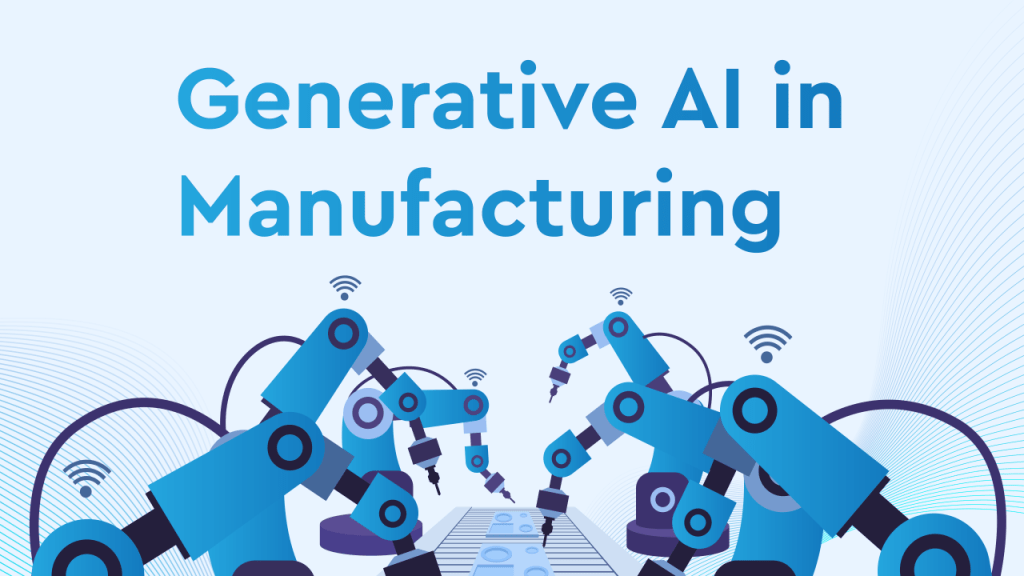
As the manufacturing sector navigates through the complexities of modern demands, enterprise generative AI solutions emerge as game-changers. These advanced technologies not only streamline processes but also foster innovation and efficiency. In this comprehensive article, we delve into the profound impact of generative AI solutions on manufacturing, exploring their benefits, applications, challenges, and future prospects.
Understanding Generative AI in Manufacturing
What is Generative AI?
Generative AI refers to a subset of artificial intelligence that uses machine learning algorithms to create new content, designs, and solutions based on input data. Unlike traditional AI, which typically analyzes data to make predictions or decisions, generative AI can produce entirely new outputs, making it particularly valuable for design and innovation in manufacturing.
Historical Context and Evolution
Manufacturing has traditionally relied on human expertise and manual processes. However, with the advent of AI, the sector has seen a significant shift. Early AI applications focused on automation and predictive maintenance. Today, generative AI solution for manufacturing takes these advancements further, enabling manufacturers to create optimized designs, improve production efficiency, and enhance overall quality.
Benefits of Enterprise Generative AI Solution for Manufacturing
Enhanced Product Design and Innovation
Accelerated Design Processes
Generative AI significantly reduces the time required for product design. By automating the creation of design alternatives, it allows engineers to explore a broader range of possibilities quickly. This acceleration leads to faster innovation cycles and reduced time-to-market.
Improved Design Quality
Using historical data and performance metrics, generative AI suggests optimal design parameters. This leads to products that not only meet higher standards of reliability and efficiency but also incorporate innovative features that might not be immediately apparent to human designers.
Optimized Production Processes
Process Automation
Generative AI automates various aspects of the manufacturing process, from material selection to production scheduling. This automation enhances operational efficiency, reduces waste, and lowers production costs.
Predictive Maintenance
By analyzing sensor data from manufacturing equipment, generative AI can predict potential failures before they occur. This predictive maintenance reduces downtime and extends the lifespan of machinery, leading to significant cost savings.
Enhanced Quality Control
Real-Time Defect Detection
Equipped with computer vision, generative AI systems can detect defects in real-time during production. This immediate feedback ensures that defective products are identified and rectified promptly, maintaining high-quality standards.
Continuous Improvement
Generative AI continuously analyzes production data to identify areas for improvement. This fosters a culture of continuous improvement, where processes are constantly refined for better outcomes.
Real-World Applications of Generative AI Solution for Manufacturing
Automotive Industry
Customization and Personalization
Generative AI enables automotive manufacturers to offer customized and personalized vehicle designs. By analyzing customer preferences and design constraints, AI generates unique design options tailored to individual tastes.
Autonomous Manufacturing
In autonomous manufacturing, generative AI optimizes the production of autonomous vehicles. It helps design complex components, streamline production processes, and ensure the quality of autonomous systems.
Aerospace Industry
Lightweight Material Design
Generative AI is crucial in designing lightweight yet strong materials for aerospace applications. By optimizing material composition and structural design, AI helps reduce the weight of aerospace components, leading to more fuel-efficient aircraft.
Safety and Compliance
Aerospace manufacturers use generative AI to ensure that all components meet stringent safety and compliance standards. AI-driven quality control systems detect anomalies and ensure that only the highest quality parts are used in aircraft production.
Consumer Electronics
Rapid Prototyping
In the fast-paced world of consumer electronics, generative AI accelerates the prototyping phase by generating multiple design iterations quickly. This enables companies to test and refine their products rapidly, staying ahead of market trends.
Supply Chain Optimization
Generative AI optimizes supply chain operations by predicting demand, managing inventory, and ensuring timely delivery of components. This leads to cost savings and improved customer satisfaction.
Challenges and Considerations
Data Quality and Availability
Importance of High-Quality Data
The effectiveness of generative AI solutions depends heavily on the quality and availability of data. Manufacturers must ensure they have access to comprehensive, high-quality datasets for training AI models.
Data Security and Privacy
As generative AI systems handle sensitive production data, ensuring data security and privacy is paramount. Robust security measures must be implemented to protect data assets.
Integration with Existing Systems
Compatibility with Legacy Systems
Integrating generative AI solutions with existing manufacturing systems can be challenging, especially if legacy systems are outdated. Manufacturers must carefully plan the integration process to ensure seamless operation.
Change Management
Adopting generative AI requires a shift in organizational culture and processes. Manufacturers must invest in change management strategies to ensure that employees are trained and prepared for the transition.
Scalability and Flexibility
Scalability of AI Solutions
Generative AI solutions must be scalable to handle varying production volumes and complexities. Manufacturers need to ensure that their AI infrastructure can scale efficiently as production demands increase.
Flexibility in Application
The flexibility of generative AI solutions is crucial for adapting to different manufacturing scenarios. AI systems should be designed to handle diverse applications, from small-scale customization to large-scale production.
Future Outlook
Advancements in AI Technology
Improved Algorithms
Ongoing advancements in AI algorithms will enhance the capabilities of generative AI solutions. Improved algorithms will lead to more accurate predictions, better optimization, and enhanced decision-making in manufacturing.
Integration of IoT and AI
The integration of the Internet of Things (IoT) with generative AI will create a connected ecosystem where AI-driven insights are derived from real-time sensor data. This will further enhance the efficiency and effectiveness of manufacturing operations.
Increased Adoption Across Industries
Expansion into New Sectors
As generative AI solutions continue to demonstrate their value, more industries will adopt these technologies. Sectors such as pharmaceuticals, energy, and construction are likely to see increased adoption of generative AI for various applications.
Collaboration and Innovation
Collaboration between AI technology providers, manufacturers, and research institutions will drive innovation and the development of new AI-driven manufacturing solutions. This collaborative approach will lead to the creation of more advanced and tailored AI applications.
Conclusion
The impact of enterprise generative AI solutions on manufacturing is profound and far-reaching. From enhancing product design and optimizing production processes to improving quality control and driving innovation, generative AI is transforming the manufacturing landscape. While challenges remain, the future holds immense potential for further advancements and broader adoption of generative AI technologies. By embracing these solutions, manufacturers can achieve new levels of efficiency, innovation, and competitiveness in an increasingly dynamic market.
As manufacturers continue to explore and implement generative AI solutions, they will unlock unprecedented opportunities for growth and development. The journey towards a fully optimized, AI-driven manufacturing ecosystem is well underway, promising a future where innovation and efficiency go hand in hand.
-
Navigating Challenges: Implementing Enterprise Gen AI Platform for Human Resources and Solutions
Introduction
The integration of Enterprise Generative AI (Gen AI) platforms into Human Resources (HR) operations promises to revolutionize workforce management, enhance decision-making, and optimize employee experiences. However, implementing these advanced AI solutions comes with its own set of challenges that organizations must navigate effectively. This article explores the key challenges faced during the implementation of Enterprise Gen AI platform for HR and offers practical solutions to overcome them.

Understanding Enterprise Gen AI Platform for Human Resources
Enterprise Gen AI platforms leverage artificial intelligence technologies such as machine learning, natural language processing (NLP), and predictive analytics to automate HR processes, analyze data, and improve decision-making. Gen AI Platform for Human Resources is designed to handle complex tasks ranging from recruitment and talent management to employee development and engagement strategies.
Key Components of Enterprise Gen AI Platform for Human Resources
Successful implementation of Enterprise Gen AI Platform for Human Resources requires integration of the following components:
- Machine Learning Algorithms: Algorithms that analyze HR data to predict outcomes, optimize workflows, and enhance HR decision-making.
- Natural Language Processing (NLP): Enables the platform to understand and generate human-like text, facilitating communication, feedback analysis, and content creation.
- Predictive Analytics: Utilizes historical and real-time data to forecast trends, identify risks, and recommend strategic HR initiatives.
Challenges to Implementing Enterprise Gen AI Platforms in HR
Implementing Enterprise Gen AI platforms in HR presents several challenges that organizations need to address proactively:
1. Data Quality and Integration
Challenge:
- Data Complexity: HR data is often fragmented across multiple systems and sources, varying in format and quality.
- Data Privacy: Ensuring compliance with data protection regulations (e.g., GDPR, CCPA) while integrating and analyzing sensitive HR information.
2. Resistance to Change and Cultural Shift
Challenge:
- Employee Skepticism: Resistance from HR professionals and employees accustomed to traditional methods, fearing job displacement or loss of control.
- Cultural Readiness: Organizational culture may not support or encourage innovation and adoption of AI technologies.
3. Skills and Talent Gap
Challenge:
- Lack of AI Expertise: Shortage of HR professionals with expertise in AI technologies and data analytics.
- Training Needs: Providing adequate training and upskilling programs to empower HR teams to leverage AI tools effectively.
4. Ethical and Bias Considerations
Challenge:
- Algorithmic Bias: AI models may unintentionally perpetuate biases in recruitment, performance evaluation, and decision-making.
- Ethical Use of AI: Ensuring transparency, fairness, and accountability in AI-driven HR practices to uphold ethical standards.
5. Integration with Existing Systems
Challenge:
- Compatibility Issues: Ensuring seamless integration of Enterprise Gen AI platforms with legacy HR systems and infrastructure.
- Interoperability: Overcoming technical barriers to enable data exchange and communication between different systems and platforms.
Solutions to Overcome Challenges in Implementing Enterprise Gen AI Platforms in HR
Addressing the challenges of implementing Enterprise Gen AI platforms in HR requires a strategic approach and proactive measures:
1. Data Quality and Integration
Solution:
- Data Audit and Standardization: Conduct a thorough audit of HR data sources, clean and standardize data to improve quality and consistency.
- Data Privacy Protocols: Implement robust data protection measures, anonymization techniques, and encryption to safeguard sensitive HR information.
2. Resistance to Change and Cultural Shift
Solution:
- Change Management Strategy: Develop a comprehensive change management plan that includes communication, training, and stakeholder engagement.
- Leadership Buy-In: Gain support from senior leadership to champion AI adoption, emphasize benefits, and alleviate concerns about job security.
3. Skills and Talent Gap
Solution:
- Training and Development: Offer tailored training programs on AI fundamentals, data analytics, and specific Gen AI platform functionalities for HR professionals.
- Collaboration with IT: Foster collaboration between HR and IT departments to leverage technical expertise and support AI implementation efforts.
4. Ethical and Bias Considerations
Solution:
- Bias Detection and Mitigation: Implement algorithms and tools to detect and mitigate biases in AI models, ensuring fairness and equity in HR processes.
- Ethics Guidelines: Establish clear guidelines and policies for the ethical use of AI in HR, including regular audits and reviews of AI systems.
5. Integration with Existing Systems
Solution:
- Compatibility Testing: Conduct rigorous testing and pilot phases to assess compatibility and interoperability between Enterprise Gen AI platforms and existing HR systems.
- API Integration: Utilize application programming interfaces (APIs) and middleware solutions to facilitate seamless data exchange and communication between systems.
Best Practices for Successful Implementation
In addition to addressing specific challenges, adopting best practices can further enhance the successful implementation of Enterprise Gen AI platforms in HR:
- Cross-Functional Collaboration: Foster collaboration between HR, IT, and other relevant departments to align AI initiatives with organizational goals and ensure holistic implementation.
- Continuous Evaluation and Optimization: Regularly evaluate AI performance, gather feedback from users, and iterate on AI models and processes to improve effectiveness and ROI.
- Scalability Planning: Anticipate future growth and scalability needs when selecting Gen AI platforms and designing implementation strategies to accommodate organizational expansion.
Conclusion
Implementing Enterprise Gen AI platforms in Human Resources holds tremendous potential to revolutionize HR practices, enhance operational efficiencies, and drive organizational success. By addressing challenges such as data quality, resistance to change, skills gap, ethical considerations, and integration complexities with proactive solutions and best practices, organizations can navigate the implementation journey effectively. Embracing AI technologies in HR not only prepares organizations for the future but also empowers HR professionals to make data-driven decisions that elevate employee experiences and contribute to strategic business outcomes.
In conclusion, overcoming challenges in implementing Enterprise Gen AI platforms in HR requires a strategic approach, collaborative effort, and commitment to leveraging AI technologies responsibly to transform HR operations and achieve sustainable growth.
-
Unlocking Potential: Features of Enterprise Gen AI Solution in Information Technology
Generative AI is transforming the business landscape, providing powerful tools for innovation and efficiency across multiple industries. By integrating advanced AI capabilities into their IT infrastructure, enterprises can optimize processes, enhance decision-making, and create new growth opportunities. This article delves into the key features of enterprise generative AI solutions and their impactful applications across various sectors.

What Are Enterprise Generative AI Solutions?
Enterprise generative AI solutions leverage sophisticated AI algorithms, such as Generative Adversarial Networks (GANs), Variational Autoencoders (VAEs), and Transformer models, to generate new content, analyze data, and optimize workflows. The gen AI solution for information technology is designed to integrate seamlessly with existing IT systems, providing scalable and customizable tools that address specific business needs.
Key Features of Enterprise Generative AI Solutions
Scalability
Handling Large Datasets
Generative AI solutions are built to manage vast amounts of data, enabling businesses to scale their operations without compromising performance. This scalability ensures that AI models can process and analyze data in real-time, supporting the needs of large enterprises.
Example: Amazon Web Services (AWS) provides scalable AI services that can handle extensive data from global e-commerce operations, ensuring smooth and efficient processing.
Adaptive Learning
These AI models can adapt and learn from new data continuously, improving their performance over time. This feature is crucial for maintaining relevance and accuracy in dynamic business environments.
Example: Google’s DeepMind continuously learns from new data, enhancing its performance in applications like energy management and healthcare diagnostics.
Integration
Seamless IT Integration
Enterprise generative AI solutions are designed to integrate effortlessly with existing IT systems, reducing the need for extensive overhauls. This compatibility allows businesses to leverage AI capabilities without disrupting their current operations.
Example: IBM’s Watson AI seamlessly integrates with various enterprise IT environments, providing advanced analytics and cognitive computing capabilities.
Interoperability
These solutions often support interoperability with multiple platforms and applications, facilitating a unified approach to data and process management across different systems.
Example: Microsoft’s Azure AI supports interoperability with numerous software applications, enabling cohesive integration across enterprise IT landscapes.
Customization
Tailored AI Models
Enterprise generative AI solutions can be customized to meet specific business requirements. Companies can develop and train AI models tailored to their unique processes, industry standards, and customer needs.
Example: Salesforce’s Einstein AI allows businesses to customize its AI models for personalized customer relationship management (CRM) solutions.
Flexible Deployment
These solutions offer flexible deployment options, including on-premises, cloud-based, and hybrid models. This flexibility ensures that businesses can deploy AI solutions in a manner that best suits their infrastructure and strategic goals.
Example: Oracle’s AI services provide flexible deployment options, allowing businesses to choose the most appropriate setup for their operational needs.
Automation
Process Automation
Generative AI can automate repetitive and mundane tasks, freeing up human resources for more strategic and creative activities. This automation leads to increased efficiency and productivity.
Example: UiPath’s AI-powered robotic process automation (RPA) automates routine tasks, such as data entry and customer service inquiries, enhancing overall operational efficiency.
Intelligent Decision Support
AI solutions provide intelligent decision support by analyzing data, identifying patterns, and generating actionable insights. This support helps businesses make informed decisions quickly and accurately.
Example: SAS’s AI analytics platform offers intelligent decision support for financial services, helping banks and financial institutions make data-driven investment and risk management decisions.
Security
Data Privacy and Protection
Ensuring robust data privacy and protection is a critical feature of enterprise generative AI solutions. These platforms implement advanced encryption, access control, and anonymization techniques to safeguard sensitive information.
Example: Palantir’s AI platform incorporates stringent data privacy and protection measures, ensuring secure data handling for defense and intelligence applications.
Compliance with Regulations
Generative AI solutions are designed to comply with industry regulations and standards, such as GDPR and CCPA. This compliance ensures that businesses can adopt AI technologies without risking legal repercussions.
Example: Compliance.ai provides AI-driven compliance solutions that help financial institutions adhere to regulatory requirements, mitigating the risk of non-compliance.
Impact on Key Industries
Healthcare
Enhancing Diagnostics
Generative AI solutions enhance diagnostics by analyzing medical images, patient records, and genetic data to provide accurate and early detection of diseases. This capability leads to better patient outcomes and more efficient healthcare delivery.
Example: PathAI uses AI to analyze pathology images, improving diagnostic accuracy for conditions like cancer.
Drug Discovery and Development
AI-driven solutions accelerate the drug discovery and development process by predicting the efficacy of compounds and identifying potential drug candidates. This speeds up the time-to-market for new treatments.
Example: Insilico Medicine uses AI to identify new drug candidates, reducing the time and cost associated with traditional drug discovery methods.
Finance
Fraud Detection
Generative AI solutions enhance fraud detection by analyzing transaction patterns and identifying anomalies in real-time. This proactive approach helps financial institutions prevent fraud and protect their customers.
Example: Darktrace uses AI to detect and respond to cyber threats in real-time, safeguarding financial institutions against fraudulent activities.
Personalized Financial Services
AI-driven platforms provide personalized financial services by analyzing customer data and offering tailored recommendations. This personalization enhances customer satisfaction and loyalty.
Example: Personetics leverages AI to provide personalized banking experiences, offering tailored financial advice and product recommendations to customers.
Manufacturing
Predictive Maintenance
Generative AI solutions enable predictive maintenance by analyzing sensor data and predicting equipment failures before they occur. This approach reduces downtime and maintenance costs.
Example: GE’s Predix platform uses AI to predict maintenance needs in industrial machinery, enhancing operational efficiency and reducing unplanned downtime.
Optimizing Production Processes
AI solutions optimize production processes by analyzing data from manufacturing operations and identifying areas for improvement. This optimization leads to increased productivity and reduced waste.
Example: Siemens’ MindSphere platform uses AI to optimize production processes, improving efficiency and reducing costs in manufacturing.
Retail
Enhancing Customer Experience
Generative AI solutions enhance the customer experience by providing personalized product recommendations and targeted marketing. This personalization drives sales and increases customer loyalty.
Example: Shopify’s AI-driven recommendation engine personalizes the shopping experience for customers, increasing engagement and sales.
Inventory Management
AI solutions optimize inventory management by predicting demand and ensuring the right products are in stock. This approach reduces costs and prevents stockouts or overstock situations.
Example: Blue Yonder’s AI-driven inventory management system predicts demand and optimizes inventory levels, improving operational efficiency in retail.
Overcoming Challenges
Data Privacy and Security Concerns
Handling sensitive data raises concerns about privacy and security. Ensuring robust data protection measures is crucial for maintaining trust and compliance.
Solution: Implement data anonymization, encryption, and compliance with data protection regulations such as GDPR and CCPA.
Ethical AI Use and Bias
Generative AI models can inherit biases from their training data, leading to biased outputs. Ensuring fairness and transparency is essential for ethical AI use.
Solution: Use diverse datasets, implement bias detection mechanisms, and conduct regular audits to ensure fairness and transparency in AI operations.
High Computational Costs
Training and deploying generative AI models can be resource-intensive, requiring significant computational power. Optimizing algorithms for efficiency is necessary to manage costs.
Solution: Leverage cloud computing resources, specialized hardware like GPUs and TPUs, and optimize algorithms for efficiency to manage computational costs effectively.
Future Prospects
Expanding AI Capabilities
The future will see expanded AI capabilities, with generative AI solutions becoming more sophisticated and versatile. This expansion will enable more complex and innovative applications across industries.
Example: AI solutions that can generate realistic virtual environments for training simulations, enhancing learning and development in various fields.
Integration with Emerging Technologies
The integration of AI with emerging technologies such as the Internet of Things (IoT) and blockchain will create smart systems that can autonomously monitor, analyze, and optimize operations in real-time.
Example: Smart factories that use AI and IoT to monitor equipment, predict failures, and optimize production processes, ensuring seamless and efficient operations.
Enhancing Human-AI Collaboration
Generative AI will enhance human-AI collaboration, where AI tools assist humans in creative and strategic tasks, leading to more innovative and effective solutions.
Example: AI-assisted brainstorming tools that generate creative ideas and solutions, enhancing innovation in product development and marketing strategies.
Conclusion
Enterprise generative AI solutions are revolutionizing the landscape of information technology, driving innovation and efficiency across various industries. By leveraging features such as scalability, integration, customization, automation, and security, these solutions offer significant benefits, including enhanced data management, optimized IT infrastructure, and improved decision-making.
The impact of generative AI extends beyond IT operations, transforming healthcare, finance, manufacturing, and retail by enhancing diagnostics, streamlining services, optimizing production processes, and personalizing customer experiences. Addressing challenges such as data privacy, ethical AI use, and computational costs is crucial for ensuring responsible and effective AI deployment.
As technology continues to evolve, staying informed about emerging trends and innovations will be essential for harnessing the full potential of generative AI solutions. By embracing these technologies, businesses can unlock new opportunities, drive innovation, and create a more efficient and personalized future.
-
Unveiling the Future: Key Features of Enterprise Gen AI Solutions for Real Estate
The real estate industry, long seen as traditional and slow to adopt new technologies, is undergoing a seismic shift. Enterprise Generative AI solutions are at the forefront of this transformation, offering powerful tools and capabilities that streamline processes, enhance decision-making, and improve customer experiences. In this comprehensive guide, we delve into the key features of these AI solutions, exploring how they are revolutionizing the real estate landscape.

Introduction to Generative AI in Real Estate
Understanding Generative AI
Generative AI refers to a subset of artificial intelligence that focuses on creating new content, predictions, or solutions based on learned patterns from existing data. Utilizing advanced machine learning models such as neural networks, gen AI solution for real estate can simulate human-like reasoning and creativity, making it an invaluable tool for various industries, including real estate.
Importance of AI in Real Estate
The real estate sector is heavily reliant on data for making informed decisions. Whether it’s predicting market trends, managing properties, or enhancing customer interactions, the integration of AI can lead to significant improvements in efficiency and accuracy. Enterprise gen AI solution for real estate is particularly impactful, offering capabilities that go beyond traditional AI applications.
Feature 1: Predictive Analytics and Market Forecasting
Data-Driven Insights
Predictive analytics powered by generative AI can analyze vast amounts of historical and current data to forecast future market trends. This includes property prices, rental rates, and demand patterns. By leveraging these insights, real estate professionals can make data-driven decisions that optimize investments and improve profitability.
Trend Identification
Gen AI solution for real estate can identify emerging trends in the real estate market, providing early warnings about potential opportunities and risks. This allows investors and developers to stay ahead of the competition and adapt their strategies accordingly.
Feature 2: Automated Property Valuation
Accurate Valuation Models
Traditional property valuation methods often involve manual assessments that can be time-consuming and subject to human error. Gen AI solution for real estate can automate this process by creating accurate valuation models that consider a wide range of variables, including location, property features, and market conditions.
Real-Time Adjustments
AI-driven valuation models can adjust in real-time based on new data, ensuring that property valuations are always current and reflective of market dynamics. This is particularly useful in fast-moving markets where property values can change rapidly.
Feature 3: Enhanced Property Management
Predictive Maintenance
Generative AI can predict when maintenance issues are likely to occur by analyzing data from IoT sensors and historical maintenance records. This allows property managers to perform preventative maintenance, reducing downtime and repair costs.
Smart Building Management
AI solutions can optimize the management of smart buildings by controlling lighting, HVAC systems, and other utilities based on occupancy patterns and energy consumption data. This leads to significant energy savings and enhances tenant comfort.
Feature 4: Personalized Customer Experiences
Customized Property Recommendations
By analyzing a user’s preferences, search history, and demographic information, generative AI can provide personalized property recommendations. This improves the customer experience by presenting relevant options, reducing the time and effort required to find the ideal property.
Virtual Assistants and Chatbots
AI-powered virtual assistants and chatbots can handle customer inquiries 24/7, providing instant responses and assistance. These tools can answer questions about property details, schedule viewings, and guide customers through the application process, freeing up real estate agents to focus on more complex tasks.
Feature 5: Advanced Marketing and Sales
Targeted Marketing Campaigns
Generative AI can analyze customer data to create highly targeted marketing campaigns that reach the right audience with the right message. This includes personalized email campaigns, social media ads, and content marketing strategies that drive engagement and conversions.
Automated Content Creation
AI solutions can automate the creation of marketing content, including property descriptions, blog posts, and social media updates. This ensures consistency and accuracy across all marketing materials while reducing the workload for marketing teams.
Feature 6: Streamlined Transactions
Automated Document Generation
Real estate transactions involve a significant amount of paperwork. Generative AI can automate the creation of legal documents and contracts, ensuring that all necessary details are included and reducing the risk of errors. This speeds up the transaction process and ensures that documents are accurate and legally compliant.
Fraud Detection
AI systems can analyze transaction data to detect patterns indicative of fraud. By identifying suspicious activities in real-time, generative AI helps protect both buyers and sellers from fraudulent transactions. This includes detecting anomalies in payment patterns, verifying identities, and cross-referencing data across multiple sources.
Feature 7: Comprehensive Due Diligence
Risk Assessment
During the due diligence process, generative AI can analyze vast amounts of data to assess the risks associated with a property. This includes analyzing market trends, historical data, legal records, and environmental factors. AI-driven due diligence provides a comprehensive risk assessment, enabling more informed investment decisions.
Enhanced Compliance
AI can ensure compliance with legal and regulatory requirements by cross-referencing property details with local laws and regulations. This reduces the risk of legal issues and ensures that all transactions are compliant with relevant standards.
Feature 8: Investment Analysis
ROI Predictions
Generative AI can evaluate potential investment properties by analyzing factors such as location, market conditions, and historical performance. This provides investors with a detailed analysis of the potential return on investment (ROI) and associated risks. AI-driven investment analysis tools can compare multiple properties and recommend the best options based on the investor’s criteria.
Portfolio Management
AI solutions can help manage real estate portfolios by monitoring market conditions and property performance. This allows investors to make strategic decisions about buying, selling, or holding properties to maximize returns.
Feature 9: Design and Development Optimization
Site Selection
AI can analyze multiple factors, including demographic data, market trends, and geographic information, to identify optimal sites for new developments. This helps developers make data-driven decisions about where to invest and build.
Generative Design
Generative AI can assist architects and designers by generating multiple design options based on specified criteria. This includes optimizing floor plans, materials, and energy efficiency. AI-driven design tools can simulate different scenarios and provide insights into the best design choices for functionality, aesthetics, and sustainability.
Project Management
AI can streamline project management by predicting timelines, resource needs, and potential delays. This ensures that real estate development projects are completed on time and within budget.
Feature 10: Immersive Virtual Tours
Virtual Reality Integration
Generative AI can create immersive virtual tours that allow prospective buyers and renters to explore properties remotely. These tours can include interactive features, such as clickable hotspots that provide additional information, creating a more engaging and informative viewing experience.
Augmented Reality Enhancements
AI-driven augmented reality (AR) applications can enhance virtual tours by overlaying digital information on real-world views. This includes providing additional details about property features, local amenities, and neighborhood data, helping customers make more informed decisions.
Feature 11: Tenant Experience Management
Personalized Services
Generative AI can analyze tenant data to provide personalized services, such as customized lease agreements, tailored communication, and targeted amenities. This enhances tenant satisfaction and retention.
Predictive Analytics for Tenant Needs
AI can predict tenant needs and preferences by analyzing data from multiple sources, including feedback, service requests, and usage patterns. This allows property managers to proactively address tenant concerns and improve overall satisfaction.
Feature 12: Legal and Regulatory Compliance
Automated Compliance Monitoring
AI solutions can continuously monitor changes in legal and regulatory requirements, ensuring that properties and transactions remain compliant. This reduces the risk of legal issues and ensures that all operations adhere to relevant standards.
Risk Mitigation
Generative AI can identify potential legal and regulatory risks by analyzing property data and transaction details. This allows real estate professionals to take proactive measures to mitigate risks and ensure compliance.
Conclusion
The integration of generative AI solutions in real estate is transforming the industry, offering unprecedented capabilities that enhance efficiency, accuracy, and customer experiences. From predictive analytics and automated valuations to personalized customer interactions and advanced marketing strategies, the features of enterprise generative AI solutions are reshaping how real estate professionals operate. As technology continues to evolve, the future of real estate will be increasingly driven by the power of AI, paving the way for a more innovative, efficient, and customer-centric industry.
-
The Future of Enterprise Generative AI Platform for Hospitality
The hospitality industry has always been a dynamic and rapidly evolving sector, constantly adapting to new trends and technological advancements to meet the ever-changing demands of guests. One of the most significant technological advancements in recent years is the integration of generative AI platforms into hospitality operations. As we look to the future, the potential for these AI-driven solutions to transform the hospitality industry is immense. This article explores the future of enterprise generative AI platform for hospitality, highlighting their potential impacts, benefits, and the innovations on the horizon.

Introduction
Generative AI platforms have the potential to revolutionize the hospitality industry by enhancing guest experiences, streamlining operations, and driving innovation. As these technologies continue to evolve, they will offer new ways to meet guest needs and improve operational efficiency. In this article, we will examine the future trends and developments in generative AI platform for hospitality, focusing on their transformative impact and the opportunities they present.
Enhancing Guest Experiences
Personalized Guest Interactions
One of the most promising aspects of generative AI in hospitality is its ability to deliver highly personalized guest experiences. By analyzing vast amounts of data, AI can understand individual preferences and tailor interactions accordingly.
- Future Outlook: Advanced AI algorithms will enable even more precise personalization, predicting guest needs before they are expressed. Hotels will be able to offer customized recommendations for dining, activities, and amenities, creating a truly unique experience for each guest.
Virtual and Augmented Reality Integration
The integration of virtual reality (VR) and augmented reality (AR) with generative AI will open up new possibilities for guest engagement and entertainment.
- Future Outlook: Guests could take virtual tours of hotel properties before booking, use AR to enhance their in-room experience with interactive features, and even participate in virtual events or activities. These technologies will provide immersive and memorable experiences that set hotels apart from their competitors.
Real-Time Language Translation
As global travel increases, the ability to communicate effectively with guests from different linguistic backgrounds becomes crucial. Generative AI can facilitate real-time language translation, breaking down communication barriers.
- Future Outlook: Future AI-driven translation tools will be more accurate and context-aware, enabling seamless communication between guests and staff, regardless of language differences. This will enhance guest satisfaction and improve the overall experience.
Streamlining Operations
Predictive Maintenance and Smart Facilities
Generative AI can predict maintenance needs and optimize the operation of hotel facilities, reducing downtime and improving efficiency.
- Future Outlook: Smart sensors and AI algorithms will monitor equipment and infrastructure in real-time, predicting potential failures and scheduling maintenance proactively. This will extend the lifespan of assets and ensure a consistently high level of service.
Automated Housekeeping and Inventory Management
AI-driven automation will revolutionize housekeeping and inventory management, ensuring that resources are used efficiently and effectively.
- Future Outlook: Robots and AI systems will handle routine housekeeping tasks, such as cleaning and restocking, allowing staff to focus on more complex and personalized guest services. AI will also manage inventory in real-time, ensuring that supplies are always available when needed.
Dynamic Pricing and Revenue Management
Generative AI can analyze market trends and customer behavior to optimize pricing and revenue management strategies.
- Future Outlook: Advanced AI algorithms will provide even more accurate predictions and insights, enabling hotels to adjust pricing dynamically based on demand, competition, and other factors. This will maximize revenue and occupancy rates while maintaining competitiveness.
Driving Innovation
Sustainable Practices and Energy Efficiency
Sustainability is becoming increasingly important in the hospitality industry, and generative AI can play a key role in promoting eco-friendly practices.
- Future Outlook: AI-driven systems will optimize energy usage, monitor waste, and suggest sustainable practices. Hotels will be able to reduce their environmental footprint while cutting costs and meeting the growing demand for eco-conscious accommodations.
Health and Safety Enhancements
The COVID-19 pandemic has highlighted the importance of health and safety in hospitality. Generative AI can help ensure that hotels meet the highest standards of cleanliness and safety.
- Future Outlook: AI-powered robots and sensors will perform cleaning and sanitization tasks, monitor air quality, and enforce social distancing measures. These technologies will provide guests with peace of mind and enhance their overall experience.
Innovative Marketing and Customer Engagement
Generative AI can transform marketing and customer engagement by creating personalized and impactful content.
- Future Outlook: AI will generate high-quality marketing materials, such as blog posts, social media content, and promotional videos, tailored to individual preferences. This targeted approach will increase engagement and drive bookings, enhancing the effectiveness of marketing campaigns.
Challenges and Considerations
Data Privacy and Security
As generative AI platforms collect and analyze vast amounts of guest data, ensuring data privacy and security becomes paramount.
- Future Outlook: Advanced encryption and security measures will be necessary to protect sensitive information. Hotels will need to comply with data protection regulations and be transparent about their data usage practices to maintain guest trust.
Integration with Existing Systems
Integrating generative AI platforms with existing hospitality management systems can be complex and challenging.
- Future Outlook: Seamless integration will require collaboration with technology partners and investment in integration tools. Hotels will need to ensure that their AI solutions work harmoniously with existing systems to maximize their benefits.
Ethical Considerations
The use of AI raises ethical questions, particularly regarding privacy and bias.
- Future Outlook: Hotels will need to implement ethical guidelines and ensure that their AI systems are designed and used responsibly. Regular audits and transparency in AI decision-making processes will help address ethical concerns and maintain guest trust.
Future Trends and Developments
AI-Powered Personalization
The future of generative AI in hospitality lies in even more advanced personalization. AI will predict guest needs with greater accuracy, offering tailored experiences that enhance satisfaction and loyalty.
- Example: AI could anticipate a guest’s dietary preferences and suggest suitable menu options, or recommend activities based on their past behavior and preferences.
Integration with IoT and Smart Devices
The Internet of Things (IoT) will play a significant role in the future of generative AI in hospitality. Smart devices and sensors will provide real-time data that AI can use to optimize operations and enhance guest experiences.
- Example: Smart thermostats and lighting systems will adjust automatically based on guest preferences, ensuring comfort and energy efficiency.
Expansion of Virtual Assistants
AI-powered virtual assistants will become more sophisticated, providing a wide range of services and support to guests.
- Example: Virtual assistants could handle check-in and check-out processes, answer questions, and provide personalized recommendations, all through a seamless and intuitive interface.
AI-Driven Insights and Analytics
Generative AI will provide deeper insights and analytics, enabling hotels to make data-driven decisions and optimize their operations.
- Example: AI could analyze guest feedback to identify trends and areas for improvement, or provide real-time analytics on occupancy rates and revenue performance.
Increased Accessibility for Smaller Businesses
As AI technology becomes more affordable and user-friendly, smaller hotels and hospitality businesses will also be able to leverage its benefits.
- Example: Cloud-based AI solutions will provide smaller businesses with access to advanced AI capabilities without significant upfront investment, enabling them to compete with larger chains.
Collaboration with Other Emerging Technologies
Generative AI will increasingly collaborate with other emerging technologies, such as blockchain and augmented reality, to create more comprehensive and innovative solutions.
- Example: Blockchain could be used to ensure secure and transparent transactions, while augmented reality could provide immersive experiences for guests.
Conclusion
The future of enterprise generative AI platforms for hospitality is bright, with endless possibilities for enhancing guest experiences, streamlining operations, and driving innovation. As AI technology continues to evolve, hotels will be able to offer more personalized and impactful experiences, optimize their operations, and stay ahead of the competition. Embracing these advancements will enable the hospitality industry to meet the changing demands of guests and create memorable experiences that drive loyalty and satisfaction. The key to success will be staying informed about the latest developments, addressing challenges proactively, and leveraging the full potential of generative AI to transform the industry.
-
Recent Developments in Enterprise Generative AI Platform for Legal Research
The legal industry, traditionally seen as resistant to technological change, is undergoing a significant transformation thanks to the advancements in artificial intelligence (AI). Specifically, generative AI platforms are revolutionizing legal research, making it more efficient, accurate, and comprehensive. This article explores the recent developments in enterprise generative AI platforms tailored for legal research, highlighting their benefits, applications, and future prospects.

Understanding Generative AI in Legal Research
What is Generative AI?
Generative AI involves algorithms that can create new content or solutions by learning patterns from existing data. In the context of legal research, generative AI platform for legal can analyze vast amounts of legal documents, case law, statutes, and legal literature to generate insights, summaries, and predictive analyses.
Importance of Generative AI in Legal Research
Generative AI plays a crucial role in legal research by:
- Enhancing Efficiency: Automating repetitive and time-consuming tasks.
- Improving Accuracy: Reducing human error in document review and legal research.
- Expanding Access: Making legal research more accessible to smaller firms and solo practitioners.
- Enabling Predictive Analytics: Offering insights into case outcomes and legal trends.
Recent Technological Advances
Advanced Natural Language Processing (NLP)
Contextual Understanding
Recent developments in NLP, a subfield of AI, have enabled generative AI platforms to understand the context of legal documents better. This means AI can interpret complex legal language and concepts, leading to more accurate legal research outcomes.
Improved Legal Text Analysis
AI systems can now analyze legal texts with greater precision, identifying relevant precedents, statutory references, and contextual meanings. This allows for more thorough and insightful legal research.
AI-Driven Legal Databases
Comprehensive Legal Databases
Generative AI platforms now integrate with extensive legal databases, providing access to a vast repository of case law, statutes, regulations, and legal commentary. This ensures that legal researchers have all necessary information at their fingertips.
Real-Time Updates
These platforms offer real-time updates on new case law, legislative changes, and legal news, ensuring that legal professionals stay current with the latest developments.
Enhanced Research Tools
Predictive Analytics
One of the most exciting developments is the integration of predictive analytics into generative AI platforms. These tools can predict the likely outcome of cases based on historical data, helping lawyers develop more effective strategies.
Automated Summarization
Generative AI can now automatically summarize lengthy legal documents, making it easier for legal professionals to quickly grasp the key points and arguments.
Collaborative Features
Workflow Integration
Recent AI platforms offer seamless integration with existing legal workflow tools, enabling smoother collaboration among legal teams. This includes features like shared annotations, collaborative document review, and task management.
Customizable Dashboards
AI platforms now provide customizable dashboards that allow legal professionals to tailor the research interface to their specific needs, enhancing productivity and user experience.
Applications of Generative AI in Legal Research
Case Law Analysis
Efficient Precedent Search
Generative AI platforms can quickly identify relevant precedents by analyzing the specifics of a case and comparing them to a vast database of previous rulings. This accelerates the research process and improves the quality of legal arguments.
Pattern Recognition
AI can detect patterns in case law, such as how certain judges have ruled on similar issues, providing valuable insights into case strategy.
Statutory and Regulatory Research
Comprehensive Statutory Analysis
AI platforms can parse through complex statutory language and provide comprehensive analyses, helping legal professionals understand the implications of laws and regulations more clearly.
Compliance Monitoring
Generative AI tools can monitor changes in regulations and statutes, ensuring that organizations remain compliant with the latest legal requirements.
Legal Document Review
Contract Analysis
AI can review and analyze contracts to identify potential risks, inconsistencies, and compliance issues. This not only saves time but also reduces the likelihood of overlooking critical details.
Due Diligence
In the context of mergers and acquisitions, AI platforms can conduct due diligence by thoroughly reviewing large volumes of documents and identifying relevant information, streamlining the process significantly.
Litigation Support
Brief and Memorandum Drafting
Generative AI can assist in drafting legal briefs and memoranda by suggesting relevant legal arguments, citing appropriate precedents, and ensuring that the documents adhere to legal standards.
Discovery Process
During the discovery phase, AI tools can analyze and categorize vast amounts of data, identifying key documents and information that are pertinent to the case.
Benefits of Generative AI in Legal Research
Increased Efficiency
Time Savings
Automating repetitive research tasks allows legal professionals to focus on higher-level strategic work, significantly reducing the time spent on manual research.
Cost Reduction
By streamlining research processes, generative AI platforms help reduce the costs associated with legal research, making legal services more affordable and accessible.
Enhanced Accuracy
Error Reduction
AI’s ability to analyze and interpret large volumes of data with high precision reduces the risk of human error, ensuring more accurate and reliable research outcomes.
Comprehensive Analysis
Generative AI platforms can process and analyze data from a wide range of sources, providing a more comprehensive view of the legal landscape and uncovering insights that might be missed by human researchers.
Improved Access
Democratizing Legal Research
Generative AI makes advanced legal research tools accessible to smaller firms and solo practitioners who may not have the resources to employ large research teams or purchase expensive legal databases.
Language and Jurisdictional Support
AI platforms are increasingly supporting multiple languages and jurisdictions, making it easier for legal professionals to conduct cross-border research and understand international legal contexts.
Predictive Insights
Outcome Prediction
AI can analyze historical case data to predict the likely outcome of ongoing cases, helping lawyers develop more informed strategies and manage client expectations more effectively.
Trend Analysis
By identifying trends in case law and regulatory changes, generative AI platforms provide valuable insights that can inform legal strategy and decision-making.
Real-World Case Studies
Case Study 1: Improving Legal Research Efficiency
A mid-sized law firm implemented a generative AI platform to enhance its legal research capabilities. The AI system automated the process of identifying relevant case law and statutory references, reducing the time spent on research by 50%. As a result, the firm was able to take on more cases and improve its overall productivity.
Case Study 2: Enhancing Contract Review
A multinational corporation used an AI-driven contract analysis tool to review and manage its vast portfolio of contracts. The AI system identified potential risks and compliance issues, enabling the company to address them proactively. This not only saved the company millions in potential legal fees but also streamlined its contract management process.
Case Study 3: Streamlining Litigation Support
A large law firm specializing in litigation implemented a generative AI platform to support its discovery process. The AI system quickly categorized and analyzed large volumes of documents, identifying key pieces of evidence that were critical to the case. This significantly reduced the time and cost associated with the discovery phase, allowing the firm to focus on developing a winning legal strategy.
Challenges and Solutions in Implementing Generative AI
Data Privacy and Security
Ensuring Compliance
One of the primary challenges in implementing generative AI in legal research is ensuring compliance with data privacy and security regulations. AI platforms must be designed to protect sensitive legal information and comply with regulations such as GDPR and HIPAA.
Secure Data Handling
Advanced encryption and secure data handling practices are essential to prevent data breaches and unauthorized access. AI platforms must incorporate robust security measures to protect client confidentiality and maintain trust.
Integration with Existing Systems
Interoperability
Ensuring that AI platforms can seamlessly integrate with existing legal research tools and systems is crucial for their effective implementation. Recent advancements have focused on improving interoperability, allowing AI platforms to work harmoniously with other software used by legal professionals.
Scalable Infrastructure
Developing scalable infrastructure is essential for implementing AI solutions across large legal organizations. Cloud computing and other scalable technologies enable AI platforms to handle vast amounts of data and provide real-time insights.
Ethical Considerations
Addressing Bias
AI systems must be designed to detect and mitigate bias, ensuring fairness in legal research and decision-making. This involves developing algorithms that are transparent and explainable, allowing legal professionals to understand how AI-generated insights are derived.
Transparency and Accountability
Ensuring transparency and accountability in AI-driven legal research is crucial for gaining the trust of legal professionals. AI platforms must provide clear explanations of their processes and decisions, enabling users to verify and understand the reasoning behind AI-generated insights.
Training and Acceptance
Training Programs
Comprehensive training programs are essential to help legal professionals understand and effectively use AI tools. These programs should focus on demonstrating the tangible benefits of AI and building trust in its capabilities.
Collaborative Development
Encouraging collaboration between AI developers and legal professionals ensures that AI solutions are designed to meet real-world needs. This collaborative approach fosters acceptance and drives innovation in the legal industry.
Future Prospects of Generative AI in Legal Research
Advancements in AI Technology
Next-Generation AI Models
Ongoing research is leading to the development of next-generation AI models with even greater accuracy and capabilities. These models will further enhance the quality and efficiency of legal research.
Explainable AI
Future AI systems will focus more on explainability, providing clear and understandable insights into how decisions are made. This will improve trust and adoption among legal professionals.
Broader Integration with Emerging Technologies
AI and Blockchain
The integration of AI with blockchain technology can enhance the security and transparency of legal research. Blockchain provides a secure and immutable framework for managing legal data, ensuring that AI-driven insights are reliable and trustworthy.
AI and Augmented Reality (AR)
Integrating AI with AR can revolutionize legal training and courtroom presentations. AR, combined with AI insights, can provide real-time guidance and enhance the precision of legal arguments.
Expanding Applications
Cross-Border Legal Research
AI will play a crucial role in enabling cross-border legal research by supporting multiple languages and jurisdictions. This will make it easier for legal professionals to conduct international legal research and understand global legal contexts.
Proactive Legal Management
Generative AI is poised to transform legal management by providing proactive insights into legal risks and opportunities. This will enable organizations to address legal issues before they escalate, ensuring more effective legal risk management.
Conclusion
The recent developments in enterprise generative AI platforms for legal research are transforming the legal industry. These advancements are enhancing the efficiency, accuracy, and accessibility of legal research, providing legal professionals with powerful tools to navigate the complexities of the legal landscape. Despite challenges related to data privacy, integration, ethics, and training, ongoing innovations and strategic approaches are paving the way for widespread adoption. The future of generative AI in legal research looks promising, with advancements poised to further enhance legal outcomes, operational efficiency, and the overall quality of legal services. As AI technology continues to evolve, its integration into legal research will undoubtedly lead to groundbreaking changes, ushering in a new era of legal innovation and excellence.
-
Subscribe
Subscribed
Already have a WordPress.com account? Log in now.
 Finance Blog