-
Generative AI Solution for Travel: Exploring Scope and Future Prospects
Introduction
The travel industry is undergoing a profound transformation fueled by advancements in technology, particularly in the realm of Artificial Intelligence (AI). Generative AI, a subset of AI that focuses on creating new content, has emerged as a game-changer in the travel sector. From personalized recommendations to dynamic pricing optimization, Gen AI solution for travel is revolutionizing the way travel businesses operate.

In this article, we delve into the scope and future prospects of Gen AI solution for travel industry, exploring its potential to reshape the landscape and enhance customer experiences.
Understanding Generative AI in Travel
Generative AI refers to a class of algorithms capable of generating new content, such as text, images, and videos, based on patterns learned from existing data. In the context of travel, Generative AI solutions leverage machine learning techniques to analyze vast amounts of travel-related data, including customer preferences, booking history, and market trends. By synthesizing this information, these AI systems can provide personalized recommendations, optimize pricing strategies, and automate various aspects of travel management.
Scope of Generative AI in Travel
The scope of Gen AI solution for travel industry is vast and encompasses a wide range of applications and use cases. Below are some key areas where Generative AI is making significant strides:
1. Personalized Travel Experiences
Gen AI solution for travel enables travel businesses to offer personalized experiences tailored to each traveler’s preferences and interests. By analyzing historical data and user behavior, AI systems can recommend customized itineraries, accommodations, activities, and dining options. This level of personalization not only enhances customer satisfaction but also fosters loyalty and repeat business.
2. Dynamic Pricing Optimization
Dynamic pricing optimization is another area where Gen AI solution for travel is making a significant impact in the travel industry. By analyzing market trends, demand patterns, and competitor pricing, AI systems can dynamically adjust prices for flights, hotels, and other travel services in real-time. This allows businesses to maximize revenue and profitability while ensuring competitiveness in the market.
3. Content Generation and Marketing
Generative AI solutions are also transforming content generation and marketing in the travel industry. From writing personalized travel guides to creating immersive virtual tours, AI-powered systems can automate the creation of engaging and relevant content at scale. This enables businesses to maintain a consistent presence across digital channels and drive customer engagement and conversion.
4. Customer Service and Support
AI-powered chatbots and virtual assistants are increasingly being used to enhance customer service and support in the travel industry. These intelligent agents can handle inquiries, make bookings, provide real-time updates, and offer personalized recommendations round-the-clock. By leveraging natural language processing and understanding capabilities, chatbots can deliver seamless and efficient interactions, improving the overall customer experience.
5. Predictive Analytics and Forecasting
Generative AI solutions leverage predictive analytics to forecast travel demand, identify trends, and anticipate customer behavior. By analyzing historical data and external factors such as weather patterns and events, AI systems can make accurate predictions regarding travel trends, occupancy rates, and pricing fluctuations. This enables businesses to make data-driven decisions and allocate resources effectively.
Future Prospects of Generative AI in Travel
The future of Gen AI solution for travel industry is filled with immense potential and opportunities for innovation. As technology continues to evolve, we can expect to see several trends and developments that will shape the future landscape of travel:
1. Enhanced Personalization and Customization
With advancements in AI and machine learning, Gen AI solution for travel will become even more adept at understanding and predicting traveler preferences. We can expect to see enhanced levels of personalization and customization in travel experiences, with AI systems offering tailored recommendations and services that cater to individual needs and preferences.
2. Seamless Integration Across Platforms
In the future, Generative AI solutions will likely be seamlessly integrated across various platforms and touchpoints in the travel ecosystem. From online booking platforms to mobile apps and social media channels, AI-powered systems will provide a unified and cohesive experience for travelers, enabling them to seamlessly plan, book, and manage their trips.
3. Continued Evolution of Chatbots and Virtual Assistants
Chatbots and virtual assistants powered by Generative AI will continue to evolve and become more sophisticated in their capabilities. We can expect to see advancements in natural language processing, sentiment analysis, and contextual understanding, enabling chatbots to deliver more human-like interactions and provide personalized assistance across a wide range of scenarios.
4. Hyper-personalized Marketing and Content Creation
Gen AI solution for travel will play a crucial role in enabling hyper-personalized marketing and content creation in the travel industry. AI-powered systems will analyze vast amounts of data to create targeted marketing campaigns, personalized promotional materials, and customized content that resonates with individual travelers. This will enable travel businesses to engage with customers on a deeper level and drive higher conversion rates.
5. Ethical and Responsible AI Implementation
As AI continues to proliferate in the travel industry, there will be a growing emphasis on ethical and responsible AI implementation. Travel businesses will need to ensure that AI systems are transparent, accountable, and bias-free, and that they uphold the privacy and security of customer data. This will require robust governance frameworks and ethical guidelines to guide the development and deployment of AI solutions in the travel sector.
Conclusion
Generative AI is poised to transform the travel industry in profound ways, offering unprecedented levels of personalization, efficiency, and innovation. From personalized recommendations to dynamic pricing optimization and automated customer service, AI-powered solutions are reshaping the way travel businesses operate and engage with customers. As we look towards the future, the scope and prospects of Generative AI in travel are limitless, promising exciting opportunities for businesses and travelers alike. By embracing this transformative technology and harnessing its potential, the travel industry can unlock new possibilities and deliver exceptional experiences that delight and inspire travelers around the globe.
-
Transforming Justice with Enterprise Generative AI Solutions
The pursuit of justice lies at the heart of legal systems worldwide, aiming to uphold fairness, equity, and the rule of law. However, traditional legal processes are often marred by inefficiencies, delays, and disparities, hindering access to justice for many individuals and communities. In recent years, the emergence of enterprise generative AI solutions tailored for legal applications has offered new hope for transforming the justice system. These innovative solutions leverage artificial intelligence to automate tasks, analyze data, and generate valuable insights, ultimately driving greater efficiency, fairness, and accessibility in the administration of justice. In this article, we will explore how enterprise gen AI solution for legal can transform justice systems around the world, ushering in a new era of efficiency, equity, and transparency.

Introduction
The administration of justice is a cornerstone of democratic societies, providing a framework for resolving disputes, upholding rights, and ensuring accountability. However, traditional legal systems are often burdened by inefficiencies, backlogs, and disparities, leading to delays, inequities, and barriers to access for many individuals and communities. Enterprise gen AI solution for legal offers a promising avenue for transforming justice systems, enabling legal professionals and policymakers to address these challenges and deliver better outcomes for all stakeholders. By leveraging artificial intelligence to automate tasks, streamline processes, and provide valuable insights, these solutions have the potential to drive greater efficiency, fairness, and accessibility in the administration of justice.
Automating Routine Tasks
One of the primary ways enterprise gen AI solution for legal can transform justice systems is by automating routine tasks that are time-consuming and resource-intensive for legal professionals. These tasks may include document review, case management, legal research, and administrative processes. By automating these routine tasks, generative AI solutions free up valuable time and resources, enabling legal professionals to focus on more strategic and high-value activities, such as case analysis, strategy development, and client advocacy. This not only improves efficiency and productivity but also enhances the quality and effectiveness of legal services, ultimately leading to better outcomes for all parties involved in the justice system.
Enhancing Legal Research and Analysis
Legal research and analysis are critical components of the justice system, enabling legal professionals to identify relevant laws, precedents, and arguments to support their cases. However, traditional legal research methods can be time-consuming and labor-intensive, requiring manual review of vast amounts of legal documents and literature. Enterprise gen AI solution for legal enhances legal research and analysis by automating the process of searching, analyzing, and summarizing legal information. These solutions can quickly sift through extensive databases of case law, statutes, regulations, and legal literature, identifying relevant sources and extracting key insights and arguments. By providing legal professionals with access to comprehensive and up-to-date legal information, generative AI solutions enable them to make more informed decisions and develop stronger legal arguments, ultimately improving the quality and efficiency of justice administration.
Streamlining Case Management
Effective case management is essential for ensuring the efficient and timely resolution of legal disputes. However, traditional case management systems are often fragmented, paper-based, and labor-intensive, leading to delays, errors, and inefficiencies. Enterprise gen AI solution for legal streamlines case management workflows by automating various aspects of case processing, including document management, scheduling, and communication. These solutions can consolidate case-related information into centralized databases, facilitate electronic filing and document sharing, and automate routine administrative tasks. By streamlining case management processes, generative AI solutions enable legal professionals to manage cases more efficiently, reduce delays, and improve the overall administration of justice.
Improving Access to Legal Services
Access to justice is a fundamental principle of the rule of law, ensuring that all individuals have the opportunity to seek legal remedies and protect their rights. However, barriers such as cost, geography, and language often prevent individuals from accessing legal services and participating fully in the justice system. Enterprise gen AI solution for legal has the potential to improve access to legal services by reducing costs, increasing efficiency, and expanding the reach of legal assistance. For example, these solutions can automate routine legal tasks, such as document preparation and review, making legal services more affordable and accessible to underserved populations. Additionally, generative AI solutions can provide multilingual support and translation services, enabling individuals from diverse backgrounds to access legal information and services in their preferred language. By improving access to legal services, generative AI solutions help ensure that all individuals have equal opportunities to seek justice and protect their rights.
Enhancing Predictive Analytics
Predictive analytics is another powerful capability of enterprise generative AI solutions that can transform justice systems. By analyzing historical data and trends, these solutions can predict case outcomes, assess risks, and identify patterns and trends in legal proceedings. For example, generative AI solutions can analyze past court decisions and litigation outcomes to predict the likely outcome of similar cases, helping legal professionals develop more effective case strategies and allocate resources more efficiently. Additionally, these solutions can identify biases and disparities in the justice system, enabling policymakers to implement targeted interventions to address systemic issues and improve fairness and equity. By enhancing predictive analytics capabilities, generative AI solutions empower legal professionals and policymakers to make more informed decisions and drive positive change in the administration of justice.
Supporting Alternative Dispute Resolution
Alternative dispute resolution (ADR) mechanisms, such as mediation and arbitration, offer parties a faster, more cost-effective, and less adversarial alternative to traditional litigation. Enterprise generative AI solutions can support ADR processes by automating various aspects of dispute resolution, including case evaluation, negotiation, and settlement. These solutions can analyze case-related information, identify common ground and areas of disagreement, and generate settlement proposals based on objective criteria. By facilitating communication and collaboration between parties, generative AI solutions help streamline the ADR process, reduce costs, and promote the amicable resolution of disputes. Additionally, these solutions can provide parties with access to legal information and guidance, empowering them to make informed decisions and reach mutually beneficial agreements.
Ensuring Ethical and Responsible Use
As with any technology, the adoption of enterprise generative AI solutions in the justice system raises important ethical and legal considerations. It is essential to ensure that these solutions are developed and deployed in a manner that upholds ethical principles, respects human rights, and promotes fairness and equity. Legal professionals, policymakers, and technologists must work together to establish guidelines and standards for the responsible use of AI in the justice system, including transparency, accountability, and fairness. Additionally, ongoing monitoring and evaluation of AI systems are necessary to identify and address potential biases, errors, and unintended consequences. By ensuring ethical and responsible use, enterprise generative AI solutions can help build trust and confidence in the justice system and promote public trust and confidence in the administration of justice.
Conclusion
Enterprise generative AI solutions offer a wealth of opportunities for transforming justice systems around the world, from automating routine tasks to enhancing legal research and analysis, streamlining case management, improving access to legal services, enhancing predictive analytics, supporting alternative dispute resolution, and ensuring ethical and responsible use. By leveraging artificial intelligence to automate tasks, analyze data, and provide valuable insights, these solutions have the potential to drive greater efficiency, fairness, and accessibility in the administration of justice. As legal systems continue to evolve and adapt to changing societal needs and technological advancements, enterprise generative AI solutions will play an increasingly important role in shaping the future of justice administration. By embracing these transformative technologies and upholding ethical principles, legal professionals and policymakers can work together to build a more just, equitable, and inclusive society for all.
-
Innovating Insurance: Exploring Applications of Generative AI Solutions
Introduction
In the rapidly evolving landscape of the insurance industry, staying ahead of the curve is essential. As insurers seek to enhance operational efficiency, improve customer experiences, and mitigate risks, they are increasingly turning to advanced technologies like Generative Artificial Intelligence (AI). Generative AI solutions have the potential to revolutionize various aspects of insurance operations, offering innovative applications that drive efficiency, accuracy, and competitiveness. In this dynamic and innovative article, we will explore the diverse applications of generative AI solution for insurance and their transformative impact on the industry.

Understanding Generative AI Solution for Insurance
Defining Generative AI Solutions
Generative AI solutions encompass a range of technologies and techniques that enable computers to generate new data instances, insights, and recommendations based on patterns learned from existing data. These solutions leverage advanced algorithms and machine learning techniques to create synthetic data, automate tasks, and optimize processes within the insurance domain.
Role of Generative AI Solution for Insurance
Generative AI solution for insurance plays a crucial role in the insurance industry by enabling insurers to automate tasks, streamline processes, and make data-driven decisions. These solutions offer innovative applications that address key challenges and opportunities across various aspects of insurance operations, from underwriting and risk assessment to claims processing and customer engagement.
Exploring Applications of Generative AI Solution for Insurance
1. Data Synthesis and Augmentation
Generative AI solution for insurance is transforming the way insurers handle data, offering innovative applications for data synthesis and augmentation.
Synthetic Data Generation for Training AI Models
Generative AI solution for insurance can generate synthetic data instances to augment existing datasets, enabling insurers to train AI models more effectively. By creating diverse and realistic data samples, these solutions enhance the robustness and accuracy of AI models, leading to better predictive capabilities and improved decision-making.
2. Natural Language Generation (NLG)
Generative AI solutions are revolutionizing communication in the insurance industry through the application of natural language generation (NLG) techniques.
Automated Document Generation
Generative AI solutions can automate the generation of various documents and reports in the insurance domain, including policy documents, claims reports, and customer communications. By analyzing structured data and generating human-like text, these solutions streamline document creation processes, reduce manual effort, and improve operational efficiency.
3. Image Generation and Analysis
Generative AI solutions are leveraging advanced image generation and analysis techniques to transform how insurers assess and manage risks.
Property Damage Assessment
Generative AI solutions can analyze images and videos to assess property damage in insurance claims. By automatically detecting and quantifying damage indicators, such as dents, cracks, and structural defects, these solutions streamline claims processing, reduce inspection times, and enhance accuracy.
4. Personalized Product Development
Generative AI solutions are facilitating personalized product development in insurance, offering innovative applications for customer segmentation and targeted marketing.
Dynamic Pricing and Underwriting
Generative AI solutions enable insurers to implement dynamic pricing and underwriting strategies based on individual customer profiles and risk factors. By analyzing customer data and market trends in real-time, these solutions optimize pricing and underwriting decisions, improving risk management and profitability.
Implications and Future Outlook
The applications of generative AI solutions in insurance have profound implications for insurers, customers, and the industry as a whole. By leveraging advanced algorithms and machine learning techniques, insurers can unlock new opportunities for innovation, efficiency, and competitiveness.
Looking ahead, the future of generative AI solutions in insurance is promising, with continued advancements in AI technologies and increasing adoption across the industry. Insurers that embrace these solutions and harness their transformative potential will gain a competitive edge, positioning themselves for long-term success in the rapidly evolving insurance landscape.
Conclusion: Embracing Innovation in Insurance
In conclusion, the applications of generative AI solutions are reshaping the insurance industry, enabling insurers to drive innovation, enhance operational efficiency, and deliver superior customer experiences. From data synthesis and natural language generation to image analysis and personalized product development, generative AI solutions offer a myriad of opportunities for insurers to unlock new levels of efficiency, accuracy, and competitiveness.
As the industry continues to evolve and adapt to changing market dynamics, insurers must embrace innovation and leverage the latest technologies to stay ahead of the curve. By embracing generative AI solutions and exploring their diverse applications, insurers can pioneer the future of insurance and deliver value to customers in innovative and impactful ways.
-
Maximizing Efficiency: How Generative AI Solutions Optimize Workflows in the Automotive Industry
Introduction
In the rapidly evolving landscape of the automotive industry, efficiency is paramount. From design and manufacturing to supply chain management and customer service, optimizing workflows is essential for automakers to stay competitive and meet evolving customer demands. Generative Artificial Intelligence (AI) solutions have emerged as powerful tools to streamline processes, automate tasks, and drive innovation in the automotive sector. In this comprehensive article, we delve into how generative AI solution for automotive optimizes workflows in the automotive industry, exploring their applications, benefits, and potential impact on operational efficiency.

Understanding Generative AI Solutions
Generative AI solutions represent a category of AI technologies that can generate new data instances resembling a given dataset. These solutions leverage advanced algorithms to analyze patterns, learn from data, and generate new outputs, such as images, text, or designs. In the context of the automotive industry, generative AI solution for automotive enable automakers to optimize workflows by automating repetitive tasks, accelerating decision-making, and unlocking new design possibilities.
Optimizing Design Workflows
Design is a critical aspect of automotive manufacturing, with automakers constantly striving to create vehicles that are not only aesthetically pleasing but also functional, safe, and efficient. Generative AI solution for automotive optimizes design workflows by:
1. Exploring Design Alternatives
Generative AI solutions enable automakers to explore a vast range of design possibilities by generating alternative designs based on specified criteria and constraints. By analyzing data on previous designs, customer preferences, and performance requirements, generative AI solutions help automakers identify novel design concepts that meet aesthetic, functional, and regulatory requirements.
2. Generating Optimized Designs
Generative AI solutions generate optimized designs for vehicle components, systems, and structures by leveraging advanced algorithms and simulation techniques. By iterating through multiple design iterations, analyzing performance metrics, and incorporating feedback, generative AI solution for automotive helps automakers identify optimal design configurations that maximize efficiency, minimize weight, and enhance functionality.
3. Accelerating Design Iterations
Generative AI solutions accelerate design iterations by automating repetitive tasks, such as CAD modeling, rendering, and simulation. By leveraging generative algorithms and parallel processing capabilities, generative AI solutions enable automakers to generate and evaluate multiple design alternatives simultaneously, reducing time-to-market and accelerating innovation cycles.
Streamlining Manufacturing Workflows
Manufacturing is a complex process involving multiple stages, from raw material procurement to final assembly. Generative AI solution for automotive streamlines manufacturing workflows by:
1. Optimizing Production Planning
Generative AI solutions optimize production planning by analyzing historical data, demand forecasts, and production constraints to generate optimized production schedules. By considering factors such as resource availability, production capacity, and order deadlines, generative AI solutions help automakers minimize idle time, reduce lead times, and optimize resource utilization in the manufacturing process.
2. Designing Tooling and Fixtures
Generative AI solutions design tooling and fixtures for manufacturing processes by generating optimized designs based on manufacturing requirements and constraints. By analyzing data on part geometries, material properties, and manufacturing processes, generative AI solutions help automakers design tooling and fixtures that minimize setup time, reduce costs, and improve manufacturing efficiency.
3. Enhancing Quality Control
Generative AI solutions enhance quality control processes by analyzing sensor data, visual inspections, and production records to identify defects and anomalies in real-time. By leveraging machine learning algorithms and anomaly detection techniques, generative AI solutions enable automakers to detect and classify defects, identify root causes, and implement corrective actions to improve product quality and reliability.
Optimizing Supply Chain Workflows
Supply chain management is critical for automakers to ensure the timely delivery of components and materials to assembly plants. Generative AI solutions optimize supply chain workflows by:
1. Forecasting Demand
Generative AI solutions forecast demand by analyzing historical sales data, market trends, and customer preferences to generate accurate demand forecasts. By leveraging machine learning algorithms and time-series analysis techniques, generative AI solutions help automakers predict future demand, optimize inventory levels, and reduce stockouts and excess inventory.
2. Optimizing Inventory Management
Generative AI solutions optimize inventory management by analyzing inventory levels, lead times, and production schedules to generate optimized reorder points and inventory replenishment strategies. By considering factors such as demand variability, supplier reliability, and storage costs, generative AI solutions help automakers minimize carrying costs, reduce stockouts, and improve inventory turnover rates.
3. Improving Supplier Collaboration
Generative AI solutions improve supplier collaboration by analyzing supplier performance data, communication logs, and transaction histories to identify opportunities for optimization and improvement. By leveraging machine learning algorithms and natural language processing techniques, generative AI solutions help automakers identify reliable suppliers, negotiate favorable terms, and foster collaboration to improve supply chain resilience and agility.
Advantages of Generative AI Solutions for Automotive Workflows
The adoption of generative AI solution for automotive offers numerous advantages for automakers:
1. Increased Efficiency
Generative AI solutions streamline workflows, automate repetitive tasks, and optimize processes, leading to increased efficiency and productivity across design, manufacturing, and supply chain operations.
2. Accelerated Innovation
Generative AI solutions enable automakers to explore new design concepts, iterate more quickly, and bring innovative products to market faster, driving competitive differentiation and market leadership.
3. Improved Quality
Generative AI solutions enhance quality control processes, detect defects and anomalies in real-time, and implement corrective actions, leading to improved product quality, reliability, and customer satisfaction.
4. Cost Savings
Generative AI solutions optimize resource utilization, reduce waste, and minimize inventory holding costs, leading to cost savings and improved profitability for automakers.
5. Enhanced Agility
Generative AI solutions enable automakers to adapt quickly to changing market conditions, demand fluctuations, and supply chain disruptions, enhancing agility and resilience in a dynamic business environment.
Future Outlook
As generative AI technologies continue to evolve and mature, their importance in optimizing workflows in the automotive industry is expected to grow exponentially. With advancements in machine learning, deep learning, and optimization techniques, generative AI solutions will enable automakers to achieve unprecedented levels of efficiency, innovation, and competitiveness. By embracing generative AI solutions, automakers can unlock new opportunities for growth, drive operational excellence, and deliver superior products and services to customers.
Conclusion
Generative AI solutions play a crucial role in optimizing workflows in the automotive industry, enabling automakers to streamline processes, automate tasks, and drive innovation across design, manufacturing, and supply chain operations. From design exploration and production planning to inventory management and supplier collaboration, generative AI solutions offer numerous advantages for automakers, including increased efficiency, accelerated innovation, improved quality, cost savings, and enhanced agility. By harnessing the power of generative AI, automakers can stay ahead of the curve, drive operational excellence, and achieve long-term success in the dynamic and ever-changing automotive landscape.
-
Navigating the Evolving Landscape: Trends in AI Platform for Logistics
Introduction
In the fast-paced and dynamic world of logistics, staying ahead of the curve is crucial for maintaining a competitive edge. As the industry continues to evolve, the integration of advanced technologies has become imperative to address challenges and unlock new opportunities for growth. Among these technologies, Artificial Intelligence (AI) stands out as a transformative force, offering innovative solutions to optimize operations, enhance efficiency, and improve decision-making in logistics. In this comprehensive article, we delve into the latest trends in AI platform for logistics, exploring how they are reshaping the industry and driving innovation across various aspects of logistics operations.
Understanding AI Platforms for Logistics
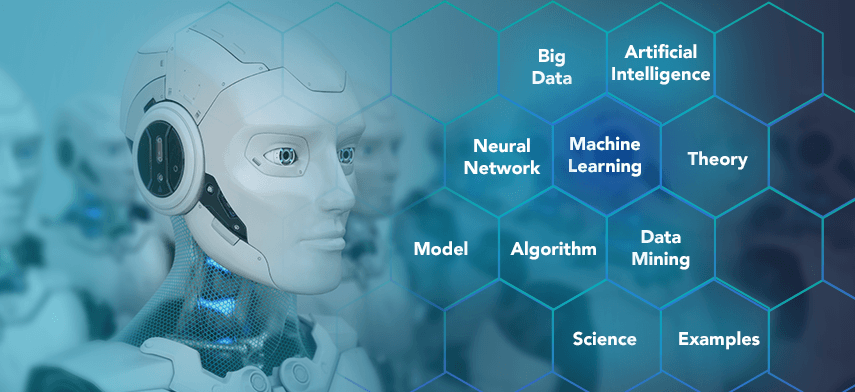
AI platforms for logistics encompass a wide range of technologies and tools that leverage Artificial Intelligence and Machine Learning algorithms to analyze data, make predictions, and automate processes. The AI platform for logistics enable logistics companies to optimize route planning, forecast demand, manage inventory, track shipments, and mitigate risks more effectively. By harnessing the power of AI, logistics companies can streamline operations, reduce costs, and improve customer satisfaction.
Trends in AI Platform for Logistics
1. Predictive Analytics
Predictive analytics is a key trend in AI platform for logistics, enabling companies to anticipate future demand, optimize inventory levels, and plan resources more effectively. By analyzing historical data, identifying patterns, and generating forecasts, these platforms provide valuable insights that enable companies to make informed decisions and adapt to changing market conditions in real-time.
2. Route Optimization
Route optimization is another prominent trend in AI platform for logistics, enabling companies to optimize delivery routes, minimize transportation costs, and improve resource utilization. By leveraging advanced algorithms and real-time data, these platforms generate optimal routes that enable companies to reduce transit times, increase on-time deliveries, and enhance customer satisfaction.
3. Supply Chain Visibility
Supply chain visibility is a critical aspect of logistics operations, and AI platforms are increasingly focusing on providing real-time visibility into the entire supply chain. By tracking shipments, monitoring inventory levels, and identifying potential bottlenecks or disruptions, these platforms enable companies to proactively manage risks and ensure the timely delivery of goods.
4. Autonomous Vehicles
Autonomous vehicles represent a growing trend in AI platform for logistics, with companies exploring the use of drones, autonomous trucks, and robots for last-mile delivery and warehouse operations. These platforms leverage AI algorithms and sensor technologies to navigate safely, optimize routes, and deliver goods more efficiently, reducing costs and improving delivery times.
5. Blockchain Integration
Blockchain integration is gaining traction in AI platforms for logistics, enabling companies to create transparent and traceable supply chain ecosystems. By leveraging blockchain technology, these platforms enable secure and tamper-proof recording of transactions, ensuring transparency, accountability, and trust throughout the supply chain.
6. Augmented Reality (AR) and Virtual Reality (VR)
AR and VR technologies are increasingly being integrated into AI platforms for logistics, enabling companies to enhance training, optimize warehouse operations, and improve decision-making. By providing immersive experiences and visualizations, these platforms enable workers to interact with data more effectively, leading to improved productivity and efficiency.
7. Natural Language Processing (NLP)
Natural Language Processing (NLP) is becoming an essential component of AI platform for logistics, enabling companies to extract valuable insights from unstructured data sources such as emails, customer inquiries, and social media posts. By analyzing text data and identifying patterns, these platforms enable companies to understand customer needs, detect trends, and improve customer service.
Benefits of AI Platform for Logistics
The adoption of AI platforms offers numerous benefits for logistics companies:
- Improved Efficiency: Streamlining operations, reducing costs, and improving productivity.
- Enhanced Decision-Making: Providing valuable insights and predictive analytics that enable companies to make informed decisions.
- Cost Reduction: Optimizing routes, minimizing inventory levels, and reducing errors, leading to cost savings and improved profitability.
- Enhanced Customer Satisfaction: Providing faster delivery times, personalized service, and real-time visibility into shipments, leading to increased customer satisfaction and loyalty.
- Risk Mitigation: Identifying and mitigating risks, such as supply chain disruptions, natural disasters, and geopolitical events, enabling companies to maintain business continuity and protect against financial losses.
- Innovation and Competitive Advantage: Driving innovation and enabling companies to gain a competitive advantage by leveraging cutting-edge technologies and optimizing processes.
Future Outlook
As AI technologies continue to evolve and mature, the future outlook for AI platforms in logistics is promising. With advancements in machine learning, deep learning, and predictive analytics, AI platforms will enable companies to achieve unprecedented levels of efficiency, agility, and competitiveness. By embracing AI platforms, logistics companies can unlock new opportunities for growth, innovation, and success in the dynamic and ever-changing global marketplace.
Conclusion
AI platforms are revolutionizing the logistics industry by enabling companies to optimize operations, improve efficiency, and enhance decision-making. With trends such as predictive analytics, route optimization, supply chain visibility, autonomous vehicles, blockchain integration, AR/VR, and NLP shaping the future of AI platforms in logistics, companies are poised to achieve unprecedented levels of efficiency and competitiveness. By embracing AI platforms, logistics companies can navigate the evolving landscape, drive innovation, and unlock new opportunities for growth and success in the digital age.
-
Exploring Applications of Generative AI Solutions for Healthcare
In the rapidly evolving landscape of healthcare, technological innovations continue to drive advancements in patient care, diagnosis, treatment, and research. Among these innovations, generative artificial intelligence (AI) solutions have emerged as a powerful tool with diverse applications across various domains of healthcare delivery. Leveraging advanced algorithms and deep learning techniques, generative AI solutions enable healthcare professionals to generate new data or content, unlocking valuable insights, optimizing treatment strategies, and improving patient outcomes. In this comprehensive exploration, we delve into the diverse applications of generative AI solution for healthcare, highlighting their transformative impact on the future of medicine.

Introduction to Generative AI in Healthcare
Generative AI represents a subset of artificial intelligence techniques that enable machines to generate new data or content based on patterns and relationships learned from existing datasets. Unlike traditional AI models that focus on classification or prediction tasks, generative AI solution for healthcare has the remarkable ability to create novel outputs, including images, text, sounds, and entire scenarios. This capacity stems from their underlying architecture, often built upon deep neural networks, which excel at capturing complex data distributions and generating realistic samples.
In the realm of healthcare, generative AI solutions are driving significant advancements across a spectrum of applications, reshaping the way medical imaging is performed, drugs are discovered, treatments are personalized, and patient care is delivered. By harnessing the power of generative AI, healthcare organizations can leverage data-driven insights to improve clinical decision-making, optimize resource allocation, and enhance the overall quality and efficiency of healthcare delivery.
Applications of Generative AI Solutions for Healthcare
1. Medical Imaging Enhancement
Generative AI solution for healthcare offers advanced capabilities for enhancing medical imaging and improving diagnostic accuracy. By synthesizing high-resolution images, enhancing image contrast, and removing noise or artifacts, these solutions empower radiologists and clinicians to detect abnormalities and diagnose diseases with greater precision and confidence. Moreover, generative AI algorithms can analyze vast volumes of medical images to identify subtle patterns and anomalies that may be imperceptible to the human eye, leading to earlier detection and more effective treatment interventions.
2. Anomaly Detection and Segmentation
Anomaly detection and segmentation are critical tasks in medical imaging, where identifying and delineating abnormalities or lesions from normal tissue are essential for diagnosis and treatment planning. Generative AI solution for healthcare leverages sophisticated algorithms to automatically detect, segment, and classify anomalies in medical images, such as tumors, fractures, or other pathological findings. By providing accurate and reliable anomaly detection capabilities, these solutions enable healthcare professionals to expedite diagnosis, improve treatment outcomes, and enhance patient care.
3. Drug Discovery and Design
Generative AI solutions are revolutionizing the process of drug discovery and design by accelerating the identification and optimization of novel therapeutic compounds. These solutions leverage generative modeling techniques to generate virtual chemical structures, predict their properties, and screen for potential drug candidates with desired pharmacological profiles. By expediting the drug development pipeline, reducing costs, and minimizing the risk of failure, generative AI solutions enable pharmaceutical companies to bring life-saving medications to market more rapidly and efficiently, ultimately improving patient access to innovative treatments.
4. Personalized Medicine and Treatment Optimization
Personalized medicine holds immense promise for improving patient outcomes by tailoring medical treatment to individual characteristics, such as genetic makeup, clinical history, and lifestyle factors. Generative AI solutions play a pivotal role in this paradigm shift by analyzing patient data to develop personalized treatment plans and predictive models. By leveraging the power of generative AI, healthcare providers can identify optimal treatment strategies, predict patient responses to therapy, and optimize clinical outcomes, leading to more effective and individualized care.
5. Natural Language Processing (NLP) and Clinical Documentation
Generative AI solutions leverage natural language processing (NLP) techniques to analyze unstructured text data from electronic health records (EHRs), medical literature, and patient-generated content. By extracting valuable insights, automating clinical documentation, and supporting decision-making processes, these solutions streamline administrative tasks, facilitate communication between healthcare professionals, and enhance the efficiency of healthcare delivery. NLP-powered generative AI solutions enable healthcare organizations to unlock valuable insights from textual data, improve documentation accuracy, and enhance clinical workflows.
6. Disease Modeling and Simulation
Generative AI solutions enable healthcare organizations to develop sophisticated disease models and simulations, facilitating research, training, and clinical decision-making. By leveraging advanced algorithms and computational techniques, these solutions can simulate disease progression, predict treatment outcomes, and evaluate the efficacy of interventions in virtual environments. Disease modeling and simulation capabilities empower healthcare professionals to explore different scenarios, optimize treatment strategies, and improve patient outcomes in a controlled and data-driven manner.
Conclusion
Generative AI solutions offer a wide array of applications across different domains of healthcare, ranging from medical imaging enhancement to drug discovery, personalized medicine, and disease modeling. By harnessing the power of generative AI, healthcare organizations can unlock valuable insights, optimize treatment strategies, and improve patient outcomes. However, realizing the full potential of generative AI in healthcare requires addressing challenges related to data privacy, ethical compliance, interoperability, and explainability. Through collaboration, innovation, and a commitment to patient-centricity, we can harness the transformative potential of generative AI to create a future where healthcare is more precise, proactive, and personalized than ever before.
-
Unveiling the Need and Benefits of Generative AI Platforms for Hospitality
In an era characterized by rapid technological advancements and evolving consumer expectations, the hospitality industry faces a myriad of challenges and opportunities. Amidst this landscape, the adoption of generative artificial intelligence (AI) platforms has emerged as a strategic imperative for hotels, resorts, and other hospitality establishments. These innovative solutions offer a wide array of benefits, ranging from enhancing guest experiences to optimizing operational efficiency. In this comprehensive article, we delve into the need for generative AI platform for hospitality and explore the myriad benefits they bring to the industry.

Introduction to Generative AI in Hospitality
Generative AI refers to a class of algorithms and models designed to generate new content based on input data. Unlike traditional AI systems, which operate on predefined rules and patterns, generative AI leverages deep learning techniques to produce outputs that mimic human creativity and intuition. The generative AI platform for hospitality utilizes vast amounts of data to create personalized experiences, optimize pricing strategies, automate content generation, and streamline operational processes.
Understanding the Need for Generative AI in Hospitality
1. Rising Guest Expectations
In today’s hyper-connected world, guests have come to expect personalized and immersive experiences tailored to their preferences and needs. Traditional approaches to hospitality management often fall short in meeting these evolving expectations, leading to guest dissatisfaction and diminished loyalty. Generative AI platform for hospitality offers a solution to this challenge by enabling hotels to create bespoke experiences that resonate with guests on a personal level. By analyzing guest data and generating tailored recommendations, generative AI empowers hotels to deliver personalized services that exceed expectations and foster long-term relationships.
2. Increasing Competition
The hospitality industry is becoming increasingly competitive, with new players entering the market and existing competitors vying for market share. To stay ahead of the competition, hotels must differentiate themselves by offering unique and innovative experiences that set them apart from the crowd. Generative AI platform for hospitality provides hotels with a competitive edge by enabling them to create distinctive offerings that resonate with guests and capture their attention. Whether it’s personalized room configurations, curated dining experiences, or immersive virtual tours, generative AI allows hotels to stand out in a crowded marketplace and attract discerning travelers.
3. Operational Efficiency
Efficient operations are essential for the success of any hospitality establishment, yet many hotels struggle with manual processes, inefficient workflows, and resource constraints. Generative AI platforms streamline operational tasks and optimize workflows, enabling hotels to operate more efficiently and effectively. From predictive maintenance and inventory optimization to dynamic pricing and content generation, generative AI automates routine tasks, minimizes errors, and maximizes resource utilization, freeing up staff to focus on delivering exceptional guest experiences.
4. Data-Driven Decision Making
In today’s data-driven world, access to actionable insights is crucial for making informed decisions and driving strategic initiatives. Generative AI platforms analyze vast amounts of data from multiple sources, including guest interactions, booking patterns, and market trends, to generate valuable insights that inform decision-making. Whether it’s forecasting demand, optimizing pricing strategies, or identifying emerging trends, generative AI platform for hospitality empowers hotels to make data-driven decisions that drive business growth and enhance competitiveness in the marketplace.
Benefits of Generative AI Platforms for Hospitality
1. Personalized Guest Experiences
One of the primary benefits of generative AI platforms is their ability to deliver personalized guest experiences tailored to individual preferences and needs. By analyzing guest data and generating tailored recommendations, generative AI platforms enable hotels to create bespoke experiences that resonate with guests on a personal level. Whether it’s recommending accommodations, dining options, or leisure activities, generative AI platform for hospitality empowers hotels to anticipate guest preferences and deliver personalized services that enhance satisfaction and foster loyalty.
2. Operational Efficiency and Cost Savings
Generative AI platforms streamline operational workflows, automate routine tasks, and optimize resource allocation, leading to improved efficiency and cost savings. By automating processes such as inventory management, predictive maintenance, and content generation, generative AI platforms minimize manual intervention, reduce errors, and increase productivity. This not only saves time and resources but also improves overall operational efficiency, enabling hotels to deliver better service while minimizing costs.
3. Enhanced Revenue Optimization
Generative AI platforms enable hotels to optimize revenue streams through dynamic pricing, personalized promotions, and targeted marketing campaigns. By analyzing market trends, competitor pricing, and guest preferences, generative AI platform for hospitality can adjust pricing strategies in real-time to maximize revenue while ensuring price competitiveness. Moreover, by delivering personalized offers and recommendations, generative AI platforms can drive upselling and cross-selling opportunities, further boosting revenue and profitability.
4. Improved Guest Satisfaction and Loyalty
By delivering personalized experiences, streamlining operations, and optimizing pricing strategies, generative AI platforms enhance guest satisfaction and loyalty. Satisfied guests are more likely to return and recommend the hotel to others, driving repeat business and positive word-of-mouth. Moreover, by anticipating guest preferences and delivering tailored recommendations, generative AI platforms create memorable experiences that resonate with guests on a personal level, fostering long-term relationships and loyalty.
5. Innovation and Differentiation
Generative AI platforms empower hotels to innovate and differentiate their offerings by creating unique and immersive experiences that set them apart from competitors. Whether it’s personalized room configurations, curated dining experiences, or immersive virtual tours, generative AI platforms enable hotels to stand out in a crowded marketplace and capture the attention of discerning travelers. By leveraging AI-driven insights and automation, hotels can stay ahead of industry trends, anticipate guest preferences, and pioneer new standards of excellence in hospitality.
Conclusion
In conclusion, generative AI platforms offer a wide range of benefits for hotels, resorts, and other hospitality establishments, from enhancing guest experiences to optimizing operational efficiency and driving revenue growth. By delivering personalized services, streamlining workflows, and optimizing pricing strategies, generative AI platforms enable hotels to differentiate themselves in a competitive marketplace and create memorable experiences that resonate with guests. As the hospitality industry continues to evolve, the adoption of generative AI platforms will become increasingly essential for hotels seeking to stay ahead of the curve and deliver exceptional service in the digital age. With the right strategies and investments in AI-driven technologies, hotels can unlock new opportunities for growth, innovation, and success in the dynamic landscape of hospitality.
-
Unleashing the Potential: AI Platforms for Retail
Artificial Intelligence (AI) has become a transformative force across industries, and its impact on the retail sector is profound. AI platforms are revolutionizing the way retailers operate, from enhancing customer experiences to optimizing supply chain management and marketing strategies. In this article, we delve into the vast potential that AI platforms hold for retail, exploring how they are reshaping the industry and driving innovation.

Introduction
The retail landscape is undergoing a seismic shift, driven by advancements in AI technology. AI platform for retail is empowering retailers to leverage data-driven insights, automate processes, and deliver personalized experiences to customers. From predictive analytics and inventory optimization to virtual assistants and chatbots, the applications of AI in retail are diverse and far-reaching. In this article, we explore the potential of AI platforms for revolutionizing the retail industry and driving growth in the digital age.
Enhancing Customer Experiences
Personalized Recommendations
AI platform for retail enables retailers to deliver personalized product recommendations tailored to individual customer preferences and behaviors. By analyzing vast amounts of data, including purchase history, browsing behavior, and demographic information, AI algorithms can identify patterns and trends to offer relevant and timely recommendations to customers. This not only enhances the shopping experience but also drives sales and fosters customer loyalty.
Virtual Try-On and Augmented Reality (AR)
AI-powered virtual try-on and augmented reality (AR) solutions allow customers to visualize products in real-world environments before making a purchase. From trying on clothing and accessories to previewing furniture and home decor, these immersive experiences enable customers to make more informed buying decisions and reduce the likelihood of returns. By integrating AI with AR technologies, retailers can create engaging and interactive shopping experiences that bridge the gap between online and offline retail channels.
Optimizing Operations and Supply Chain Management
Demand Forecasting and Inventory Optimization
AI platform for retail leverages advanced analytics and machine learning algorithms to forecast demand accurately and optimize inventory levels. By analyzing historical sales data, market trends, and external factors such as weather patterns and economic indicators, AI algorithms can predict future demand with greater accuracy and optimize inventory replenishment strategies to minimize stockouts and excess inventory. This enables retailers to improve operational efficiency, reduce carrying costs, and enhance customer satisfaction.
Supply Chain Visibility and Predictive Maintenance
AI platform for retail provides retailers with real-time visibility into their supply chains, enabling them to track shipments, monitor inventory levels, and identify potential bottlenecks or disruptions. By leveraging predictive analytics and IoT sensors, AI algorithms can anticipate maintenance issues and proactively address them before they escalate into costly downtime or service disruptions. This improves supply chain resilience, reduces risk, and enhances overall operational efficiency.
Revolutionizing Marketing and Customer Engagement
Targeted Marketing Campaigns
AI platform for retail enables retailers to create targeted marketing campaigns that resonate with their target audience. By analyzing customer data and segmentation, AI algorithms can identify high-value segments and personalize marketing messages to address their specific needs and preferences. This results in higher conversion rates, increased customer engagement, and improved return on investment (ROI) for marketing initiatives.
Chatbots and Virtual Assistants
AI-powered chatbots and virtual assistants are transforming customer service and support in the retail industry. By leveraging natural language processing (NLP) and machine learning algorithms, these virtual agents can answer customer inquiries, provide product recommendations, and assist with order tracking and returns processing. This enhances the customer experience by providing instant and personalized support around the clock, while also reducing the burden on human customer service representatives.
Unlocking Insights and Predictive Analytics
Data-Driven Decision Making
AI platforms empower retailers to make data-driven decisions by providing actionable insights and predictive analytics. By analyzing large volumes of data from various sources, including sales transactions, customer interactions, and social media feedback, AI algorithms can identify trends, patterns, and anomalies to inform strategic decision-making. This enables retailers to optimize pricing strategies, merchandise assortment, and marketing campaigns to maximize profitability and drive growth.
Predictive Maintenance and Risk Management
AI platforms enable retailers to anticipate maintenance issues and mitigate operational risks through predictive analytics and machine learning algorithms. By analyzing equipment performance data and historical maintenance records, AI algorithms can identify patterns and trends indicative of potential failures or malfunctions. This enables retailers to schedule preventive maintenance activities proactively, minimize downtime, and reduce the risk of costly equipment failures.
Conclusion
AI platforms hold immense potential for revolutionizing the retail industry and driving growth in the digital age. From enhancing customer experiences and optimizing operations to revolutionizing marketing and unlocking actionable insights, the applications of AI in retail are vast and diverse. By leveraging AI technologies, retailers can gain a competitive edge, adapt to changing consumer preferences, and thrive in an increasingly complex and competitive marketplace. As AI continues to evolve, retailers must embrace innovation, invest in AI capabilities, and harness the power of AI platforms to unlock new opportunities for growth and success in the dynamic world of retail.
AI platforms have the potential to revolutionize the retail industry by enhancing customer experiences, optimizing operations, revolutionizing marketing, and unlocking actionable insights. By embracing AI technologies, retailers can gain a competitive edge, adapt to changing consumer preferences, and thrive in the digital age. As AI continues to evolve, retailers must seize the opportunities it presents and leverage AI platforms to drive innovation and growth in the dynamic world of retail.
-
Unleashing Potential: Applications of Generative AI Solutions for Private Equity
Generative Artificial Intelligence (AI) solutions are rapidly transforming the private equity landscape, offering a myriad of applications that empower firms to make data-driven decisions, mitigate risks, and unlock new opportunities. In this article, we delve into the diverse applications of generative AI solution for private equity, exploring how these innovative technologies are revolutionizing investment strategies, due diligence processes, portfolio management, and beyond.

1. Data Synthesis and Augmentation
Generative AI solution for private equity excel in data synthesis and augmentation, enabling private equity firms to generate synthetic datasets that closely resemble real-world scenarios. These solutions leverage advanced algorithms such as Generative Adversarial Networks (GANs) and Variational Autoencoders (VAEs) to create large volumes of high-quality synthetic data, thereby addressing the challenge of limited or incomplete datasets.
Key Applications:
- Synthetic Data Generation: Generative AI solution for private equity generate synthetic datasets for training machine learning models, enabling firms to augment their existing datasets and improve model performance without compromising sensitive information.
- Risk-Free Experimentation: Synthetic datasets enable risk-free experimentation and scenario modeling, allowing private equity professionals to explore various investment strategies and evaluate their potential outcomes without exposing actual assets to potential risks.
- Privacy-Preserving Analysis: By generating synthetic data, firms can perform privacy-preserving analysis on sensitive datasets, ensuring compliance with data privacy regulations while still gaining valuable insights into market trends, customer behavior, and investment opportunities.
2. Scenario Modeling and Predictive Analytics
Generative AI solution for private equity empower private equity professionals with advanced scenario modeling and predictive analytics capabilities. These solutions leverage historical data, market trends, and proprietary algorithms to forecast future scenarios and assess the potential outcomes of investment decisions.
Key Features:
- Scenario Generation: Generative AI solution for private equity can simulate a wide range of hypothetical scenarios, allowing investors to evaluate the potential impact of different market conditions, regulatory changes, and economic factors on their investment portfolios.
- Predictive Modeling: By analyzing historical data and identifying underlying patterns, these solutions generate predictive models that forecast future trends, market movements, and investment opportunities, enabling firms to make informed decisions based on actionable insights.
- Risk Assessment: Generative AI solution for private equity quantify and evaluate various risk factors associated with investment opportunities, enabling firms to identify and mitigate potential risks before they materialize, thereby safeguarding their portfolios against unforeseen losses.
3. Due Diligence Automation
Automating the due diligence process is a critical application of generative AI solution for private equity. These solutions streamline data extraction, analysis, and validation, allowing firms to conduct comprehensive due diligence in a fraction of the time required using traditional methods.
Core Functionalities:
- Data Extraction: Generative AI solution for private equity automate the extraction of relevant information from financial statements, market reports, and other documents, minimizing manual effort and human error.
- Analysis and Validation: Leveraging machine learning algorithms, these solutions analyze large datasets to identify patterns, anomalies, and potential risks, validating the integrity and accuracy of the data.
- Document Classification: By categorizing and organizing documents based on their relevance and importance, generative AI solutions facilitate efficient due diligence processes, ensuring that key information is readily accessible to decision-makers.
4. Portfolio Optimization and Risk Management
Generative AI solutions play a crucial role in portfolio optimization and risk management for private equity firms. By analyzing historical data, market trends, and risk factors, these solutions help investors optimize their portfolios for maximum profitability while mitigating potential risks.
Advanced Capabilities:
- Portfolio Analysis: Generative AI solutions analyze investment portfolios to identify opportunities for diversification, consolidation, and optimization, maximizing returns while minimizing risks.
- Risk Identification: Leveraging advanced risk models and machine learning algorithms, these solutions quantify and assess various risk factors associated with investment opportunities, enabling firms to make data-driven decisions while minimizing potential losses.
- Dynamic Asset Allocation: Generative AI solutions offer dynamic asset allocation strategies that adapt to changing market conditions, ensuring that portfolios remain resilient and responsive to emerging trends and challenges.
5. Natural Language Processing (NLP) and Sentiment Analysis
Natural Language Processing (NLP) and sentiment analysis are essential applications of generative AI solution for private equity. These solutions analyze textual data from various sources, including news articles, social media posts, and industry reports, to extract valuable insights and sentiment trends.
Key Functionalities:
- Text Mining: Generative AI solutions employ NLP techniques to extract, analyze, and categorize textual data from unstructured sources, enabling firms to gain actionable insights into market sentiment, competitive intelligence, and industry trends.
- Sentiment Analysis: By analyzing the tone, context, and sentiment of textual data, these solutions provide valuable insights into investor sentiment, market perception, and sentiment trends, helping firms make informed investment decisions and strategic recommendations.
- Risk Monitoring: Generative AI solutions monitor news articles, social media feeds, and other sources of textual data for potential risk factors and emerging threats, enabling firms to proactively manage risks and mitigate potential losses.
6. Explainable AI and Transparency
Explainable AI and transparency are essential applications of generative AI solutions for private equity. These solutions provide stakeholders with insights into how AI models arrive at their decisions, fostering trust, accountability, and regulatory compliance.
Core Components:
- Model Interpretability: Generative AI solutions offer tools and techniques for interpreting the outputs of AI models, providing stakeholders with insights into the underlying logic and decision-making process.
- Explainability Metrics: These solutions quantify the explainability and transparency of AI models, enabling firms to assess the reliability and trustworthiness of model predictions and recommendations.
- Regulatory Compliance: By providing transparency into AI-driven decision-making processes, generative AI solutions help firms comply with regulatory requirements and industry standards, ensuring accountability and fairness in investment practices.
7. Integration with Existing Systems and Workflow
Generative AI solutions seamlessly integrate with existing IT infrastructure and workflow systems, enabling private equity firms to leverage their existing investments in technology while unlocking the full potential of AI-driven insights and capabilities.
Integration Features:
- API Integration: Generative AI solutions offer application programming interfaces (APIs) that enable seamless integration with existing systems, allowing firms to access AI-driven insights and capabilities from within their preferred workflow tools and platforms.
- Data Compatibility: These solutions support a wide range of data formats and sources, ensuring compatibility with existing datasets and systems, minimizing data migration efforts, and maximizing operational efficiency.
- Scalability and Performance: Generative AI solutions are designed to scale with the growing needs of private equity firms, offering high-performance computing resources and distributed processing capabilities that ensure optimal performance and reliability.
Conclusion
Generative AI solutions are revolutionizing the private equity industry by offering a wide range of applications that empower firms to make data-driven decisions, mitigate risks, and unlock new opportunities. From data synthesis and scenario modeling to due diligence automation and portfolio optimization, these solutions provide private equity professionals with powerful tools and capabilities to stay ahead of the curve in an increasingly competitive market landscape. By embracing generative AI technologies and leveraging their diverse applications, private equity firms can navigate complex investment scenarios with confidence, driving value creation and sustainable growth in the years to come.
This comprehensive exploration of the applications of generative AI solutions for private equity provides readers with valuable insights into the diverse functionalities and benefits of these innovative technologies. Through structured headings, clear explanations, and practical examples, the article offers a deep dive into how generative AI is reshaping decision-making processes, portfolio management strategies, and risk mitigation practices within the private equity industry.
-
Applications of Generative AI Solution for Finance
Introduction
In recent years, generative artificial intelligence (AI) has emerged as a powerful technology with numerous applications across various industries, including finance. Generative AI refers to algorithms capable of generating new content, such as images, text, or financial data, based on patterns and examples from existing data. In the finance sector, generative AI solutions offer innovative ways to optimize processes, manage risks, and enhance decision-making. In this article, we explore the diverse applications of generative AI solution for finance and their implications for the industry.

Synthetic Data Generation
One of the primary applications of generative AI solution for finance is synthetic data generation. Synthetic data refers to artificially generated data that closely resemble real-world data distributions. Generative AI algorithms can be trained on existing financial datasets to create synthetic data samples representing various financial transactions, market conditions, and economic scenarios. Synthetic data generation offers several benefits for financial institutions, including:
1. Privacy Preservation
Synthetic data generation enables financial institutions to share insights and collaborate with external partners without compromising data privacy. By generating synthetic data, institutions can anonymize sensitive information while preserving the statistical properties of the original data. This facilitates data sharing and analysis while protecting the confidentiality and privacy of customer data.
2. Data Augmentation
Generative AI solution for finance augments existing datasets by generating synthetic data samples that complement real-world data. By augmenting training datasets with synthetic data, financial institutions can improve the robustness and generalization capabilities of their machine learning models. This enhances the accuracy of predictive analytics, risk assessment, and decision-making processes, ultimately driving better outcomes for the organization.
3. Scenario Simulation
Generative AI enables financial institutions to simulate different scenarios and evaluate their potential impact on portfolios and investments. By generating synthetic data representing various market conditions and economic variables, institutions can assess the resilience of their portfolios and implement risk mitigation strategies proactively. This helps minimize exposure to risks and enhances the organization’s ability to adapt to changing market conditions.
Portfolio Optimization
Generative AI solution for finance plays a crucial role in portfolio optimization by generating synthetic financial time series data representing different asset classes, market conditions, and economic scenarios. These synthetic datasets enable portfolio managers to simulate various investment strategies and evaluate their performance under different market conditions. By leveraging generative AI for portfolio optimization, financial institutions can make more informed investment decisions and mitigate risks effectively.
Fraud Detection
Detecting and preventing fraudulent activities is a top priority for financial institutions. Generative AI solution for finance enhances fraud detection capabilities by generating synthetic fraudulent transactions based on patterns extracted from historical data. By synthesizing fraudulent transactions, financial institutions can train more robust fraud detection models capable of identifying new and emerging fraud schemes. Generative AI algorithms can also generate synthetic data representing normal transaction patterns, enabling institutions to simulate different fraud scenarios and improve the accuracy of their detection systems.
Credit Risk Assessment
Generative AI models aid in credit risk assessment by generating synthetic credit profiles that resemble those of real borrowers. These synthetic profiles can be used to simulate creditworthiness assessments and evaluate the potential risk associated with lending to different individuals or businesses. By leveraging generative AI for credit risk assessment, financial institutions can enhance their underwriting processes, minimize default rates, and optimize their loan portfolios.
Algorithmic Trading
Algorithmic trading, also known as algo-trading, involves the use of algorithms to execute large trading orders at high speeds. Generative AI-powered trading platforms analyze vast amounts of financial data to identify market trends and execute trades with minimal human intervention. These platforms leverage machine learning algorithms to continuously learn from market data and adjust trading strategies accordingly. Generative AI solutions for algorithmic trading enable financial institutions to optimize trading strategies, minimize risks, and capitalize on market opportunities in real-time.
Personalized Financial Services
Generative AI solution for finance enable financial institutions to personalize financial services and offerings based on individual customer preferences and behavior. By analyzing customer data, generative AI algorithms can generate personalized investment advice, insurance plans, and financial products tailored to each customer’s unique needs and goals. This enhances customer satisfaction and loyalty, driving revenue growth and retention for financial institutions.
Natural Language Generation
Natural language generation (NLG) is a subset of generative AI that focuses on generating human-like text based on structured data inputs. NLG algorithms can be used to automate report generation, customer communications, and regulatory filings in the finance sector. By leveraging NLG, financial institutions can streamline documentation processes, improve communication with customers, and ensure compliance with regulatory requirements.
Ethical Considerations
While generative AI solutions offer numerous benefits for finance, ethical considerations must be addressed to ensure responsible use of the technology. Financial institutions must prioritize transparency, fairness, and accountability in their use of generative AI algorithms and decision-making processes. This requires implementing ethical AI frameworks and guidelines to mitigate biases, ensure data privacy, and uphold customer trust and confidence.
Conclusion
Generative AI solution for finance offers diverse applications for finance, including synthetic data generation, portfolio optimization, fraud detection, credit risk assessment, algorithmic trading, personalized financial services, and natural language generation. By leveraging generative AI, financial institutions can optimize processes, manage risks, enhance decision-making, and personalize customer experiences. However, addressing ethical considerations and ensuring responsible use of generative AI technology is essential to realizing its full potential in finance. With careful planning, strategic investments, and adherence to best practices, generative AI solutions will continue to drive innovation and transformation in the financial sector, unlocking new opportunities for growth and value creation.
-
Subscribe
Subscribed
Already have a WordPress.com account? Log in now.
 Finance Blog